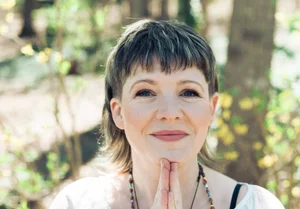
Is this Okay? with Mia Schacter

Libby invites Mia Schacter of Consent Wizardry to join her to answer two listener questions. The first one asks, what if I don't feel intense NRE with a new partner? Does that mean something or is it okay? The second asks, Is it okay for me to not want my partner to date monogamous people or is that something I need to learn to be okay with?
Also! Libby has created a workbook based on the most popular episodes of the podcast — with simple practices and reflection questions so that you can apply this stuff to your life.
Go to https://libbysinback.com/workbook to get your copy.
Transcript
Libby Sinback:
Welcome, Nia. Thanks so much for being on Making polyamory work.
Mia:
Thank you for having me.
Libby Sinback:
So we're gonna answer some listener questions. However, I was wondering, before we dive in, I. I introduced you in the intro, but I'd just love for you to say a little bit about Mia the human. What do you want our listeners to know?
Mia:
Well, something that you wouldn't get from my bio is that I began to learn about consent in a full body, more holistic way. Right. As I was getting some several diagnoses for decades of mysterious chronic illness. And so my relationship with consent is totally interwoven and inextricably linked with my journey with my health. And so I come to this work with a lens of, like, the relationship between our mind and our body, our mind and our gut, and the ways that we cross our own boundaries. Like, very much this relationship that we have with ourselves and practicing consent with ourselves first and foremost. Um, and then also a lens of disability and the ways that we maybe are overriding our own boundaries and our body's cues that are telling us what we need, what we want, you know, whether we're safe or not, Things like that.
Libby Sinback:
Oh, that's such a great, like, share. And. And it's so funny because I was literally just talking about this exact thing last night in my boundaries group, which were on our last several meetings together, but it's been really, really beautiful. And we were talking about this, like, habitual overriding of our bodies that we've been taught to do. And it's like, it's very much a. It's very much a western culture thing. I feel like it kind of started with Descartes, right? Like the. I think before I am mind body dualism bullshit.
Mia:
Yes. That's so funny. I have that on my website and there's like a few people, very, very few people who catch that who, like, ref know will say to me, like, I saw that you talk about Cartesian dualism in your work. I studied philosophy. That's my bachelor's degree.
Libby Sinback:
Oh, me too.
Mia:
Yeah. And, you know, like, I remember reading Meditations and being like, this is bullshit. This is not right. And. And then y' all seeing the way that that idea that the mind and body are separate was, like, so embedded in the Western medical industry and the way that it really is in the industry, you know, like, it's totally for profit industry, and that there is, like a investment in, you know, like, no one profits if you're healthy. So, you know, this was all, like, part of my early radicalization And I've also talked. Talked and written about the way that I feel like disability and chronic illness was sort of a gateway into transness for me because it was like the beginning of the unraveling of the sweater, you know?
Libby Sinback:
Yeah, yeah, yeah. I love that. And. And it's interesting that you say, like, on the one hand, the medical industrial complex doesn't want us. Well, and on the other hand, the capitalist industrial complex wants us productive.
Mia:
Yes. Right, right.
Libby Sinback:
And both of them are about not, like, overriding your body. Right. A lot of it is. Is about, like, this body is just this machinery that I use to get things done. And then my brain is the thing that makes everything actually happen or my mind. And so I really appreciate. I mean, a lot of my work, too, is really rooted in connecting all of this, because there's actually a whole brain in your gut. There's actually a whole brain in your chest.
Mia:
Y.
Libby Sinback:
And they're sending messages up, and they're also getting messages down. And this whole integrated sensory system is, you know, picking up stuff all of the time about what's going on and where you are in space and whether you're okay and not okay. And. Yeah. So really honoring where that's coming from. And I think that's sort of the subject of the workshop you're going to be teaching.
Mia:
Totally. Yes. Yes. I just will say, you know, we're not just, like, told to override our boundaries, but that is rewarded.
Libby Sinback:
Yeah.
Mia:
Like, that's. That's a celebrated quality in a person.
Libby Sinback:
Yeah. And. And, you know, there are times when that's appropriate. Like, there are times when, like. Like, I was just. I have some clients, one of whom is like a. An ultra marathoner.
Mia:
Yeah.
Libby Sinback:
And I'm like, you know, this person had made a. Like, not a career, like, they were getting paid, but, you know, like, they, like, they had made overriding their body this real badge of. Of accomplishment.
Mia:
Yes.
Libby Sinback:
And. And, like, sure. You know, like, you're doing something incredible with your body that your body actually probably doesn't like so much, you know, and you're pushing through, and. And that can be a beautiful accomplishment. It's a matter of. Can we choose choice?
Mia:
Yes, exactly. Yeah, yeah, yeah.
Libby Sinback:
Can we choose it? And then can we also choose not to?
Mia:
Yes.
Libby Sinback:
Yeah, yeah. So that's beautiful. Thank you for that introduction.
Mia:
Yeah.
Libby Sinback:
And I'm. I'm looking forward to introducing you and getting to know you more through these questions, because I actually think that's a beautiful way to continue to expand us knowing each other and. And Just, I didn't say this in the intro, but like, Mia's writing on Substack. Yes. And also on Instagram is just really incredible, thoughtful and nuanced, which is, as you know, if you listen to me, like, that's my jam, is like, let's not be in this black and white thinking. Let's be in something that is really touching. Like I said, a lot of the nuance of how things are. And so I'm really excited to be talking about these questions with you.
Mia:
Yeah.
Libby Sinback:
So here's the first one. And you know, this came in in March of 2024, so I so apologize for not answering this question sooner for this particular person. It's been over a year later and they may have already figured this out, but I'm. I brought the question forward anyway because I think it's a question that I've. I've encountered more than once, both with my clients and also with my friends. And so I think it's a useful question to. For us to jam on together. So this person writes.
Libby Sinback:
Hi, Libby, I've been listening to your podcast for a long time and really loving it. I have a strange question and wondered if others felt the same. I have two partners, and I'm also dating a couple. My newest partner is wonderful, very attentive and thoughtful and makes me feel really seen, but I don't have that intense NRE I usually feel at the beginning of a relationship. Now, it's only been a few weeks, and I'm not sure if that happens sometimes where you just skip that phase or it'll come later or if it's a sign I should pay attention to. I can't come up with any concrete answers anywhere. And so I thought I'd ask an expert. Not an expert, but it's okay.
Libby Sinback:
But thank you so much for being your beautiful, authentic self and allowing listeners to learn from you.
Mia:
Uh, so, yeah, yeah, it's funny, I also bristle at the word expert, but that's not the point of the question. Right, Right.
Libby Sinback:
I just. It's more like, you know, part of my work, and I think this is true for you too, is I don't want people to trust me. I want people to trust themselves.
Mia:
Yes, yes, I say that again and again, and I still have to combat, you know, the sort of, like, relinquishing of someone's own, like, discernment to me as the quote unquote expert. And I even. I even along those lines, a couple years ago, changed my Instagram. You know, when you have a business Instagram. You can choose, like, the category or whatever. And it used to say education, and now it says personal blog.
Libby Sinback:
Oh, interesting. Yeah, yeah, yeah.
Mia:
Like, totally for that reason. Anyway, this question. Okay, so it makes me think of something that my partner said to me several months ago. We've been together for almost two years and we now live together. And he seemed to me that he feels like he went right into old relationship energy with me.
Libby Sinback:
Oh.
Mia:
And I. I was so, like, intrigued. And I also found that really touching. He had another partner at the time when we met. They had been together for like eight years or so. And from my perspective, when we got together, like, when we met, you know, very shortly after we met, I felt like, wow, this person really feels like we're together now. And like, that's that, you know, and I was feeling so much nre. And, you know, I think he was, in certain ways, like, I can.
Mia:
You know, he was like, willing to come over at like 4 in the morning after a long day at work, like, just to sleep and then get up and go again the next day. Like, I feel like that's. That's new relationship energy to me.
Libby Sinback:
Well, well. And I. I think that's a really important point right there, which is, what are we even talking about when we're talking about new relationship energy? Because I think we could be talking about a bunch of different things. Like, is it the, like, anticipation, almost like anxiety that can come with a new relationship where you're like, will we or won't we? What's going to happen next? That anticipation? Is that what we're talking about when we're talking about nre? Because that.
Mia:
Yeah, well, that's where I was going to go. That's exactly right. What I was thinking was like, I wonder how sometimes I think a lot of NRE is anxiety.
Libby Sinback:
Right.
Mia:
And, you know, and anxiety. Yes. And anxiety isn't like net negative necess, you know, Like, I think anxiety is also, like, excitement overlaps with that and like.
Libby Sinback:
Well, and it can be like a. A perfectly reasonable response to not knowing what's coming next. Uncertainty.
Mia:
Yes. Yes. And I. And I. So I wonder how much of like, you know, if you feel really secure in your other relationship and perhaps have like, even learned some more secure attachment for yourself via that relationship. I wonder if NRE feels different for you now.
Libby Sinback:
Right, right.
Mia:
And I also wonder if. Yeah, just like the. The way that NRE feels with a new person when you also have this other relationship is different. Like, there's a different kind of space inside you for What a new relationship is going to feel like. I also hear in this question, like, they're wonderful and I really feel great around them. Like, you know, that that feels like security to me.
Libby Sinback:
Yeah. That was what I, I, I noticed as well. I picked up on, like, I feel it's wonderful. Attentive and thoughtful. Makes me feel safe seen and, and it's interesting. Like I said, I think that as we're holding, like, if what I'm used to feeling is anxiety, uncertainty, you know, like, I feel like maybe even I have to work to get this person to want to be with me. I have to be sexy or mysterious, but instead it's just easeful.
Mia:
Yeah.
Libby Sinback:
The absence of all of that other drama game playing, which some of us have been taught is just what goes with the territory of dating, you know, Then we might mistake the lack of that for a lack of nre.
Mia:
Totally. I think there's a sometimes in the beginning of a relationship, a totally natural and understandable urge to, like, prove yourself or, like, demonstrate, you know, like, I look at, I'm great, you know, like, let me show you everything. And if you're not, like, if you're feeling more confident and secure in yourself, and especially if you're with someone who makes you feel seen, then you may not feel that impulse. And the absence of that might be confusing.
Libby Sinback:
Yeah. Yeah. So that's one question I would have. What else we got here? Like, other. Because I'm thinking about, like, there's also the alternative, right. Which is like, maybe I'm just not that excited about this person.
Mia:
Right. I'm just not that into somebody. I mean, I guess my, my question would be, like, do you want to keep seeing them? You know?
Libby Sinback:
Right.
Mia:
Like, because if the answer is yes, then I don't know, you know, like, there's no, like, right or wrong way to feel. Chemistry. I have learned in my own, like, dating journey that at one point in my life, chemistry felt like, you know, like I, oh my God, I feel like I've known you forever and I only want to be with you. And like, I can't believe we found each other. And like, you understand me. So instinct, you know, Like, I feel so, like this feels so cosmic and, and what I've learned. And I, I'm not going to say that this is always the case for anybody else, but I have learned for me that there was a sort of, like, desperation undercurrent to that. And, and it often led to or bred codependency for me.
Libby Sinback:
When you say codependency what do you mean?
Mia:
Yeah, like. Like that my feelings are, like, dependent on your feelings, you know, like, if you feel bad, I'm gonna feel bad. That if I feel bad, it's your fault in some way.
Libby Sinback:
Like.
Mia:
Like, we have to have, you know, this kind of relationship in order to. For me to be, like, perfectly, like.
Libby Sinback:
Synchronized and everything, and so there can't be any discord or conflict or it has to be fixed right away.
Mia:
Yes. Yes. And as I've worked on my own, like, my own codependent. Codependent tendencies, and as I've worked on healing my own, like, attachment wounds, like, I sway anxious when I'm stressed, and, you know, I've done a lot of work on that. And now I'm in. In a place where, like, chemistry feels a lot more grounded and I feel a lot more choice in it. And that's something that I really appreciate about polyamory is that, like, I can have a crush on someone, I can have feelings for someone, and I can choose what to do about it. Whereas, like, in a.
Mia:
In a monogamous paradigm, like, a. A crush could mean the end of my relationship. It could mean that I. I've made a mistake or. Yeah.
Libby Sinback:
Yeah. There's so many wonderful things you said there, and I just want to pull them out one by one. And I actually want to start with the last thing you said, which is, like, a nice thing about polyamory, and I'm going to say it a little differently than you said it. It's like, we don't have this scarcity mindset of, I need to pick the right one, the best one, and it better be the right and the best one. And, like, it needs to be this cosmic faded thing, because it's going to be the one. Right. If we're not thinking that way, there's a. And.
Libby Sinback:
And scarcity mindset can still show up even when we're looking at multiple partners. And, you know, but. But it. But it doesn't have to be that way. We're open to that, and that can help our bodies just relax. You know, we're not, like, having this drive. I gotta find that one. Um, so that was the first thing I really liked.
Libby Sinback:
And then I'm gonna go back to the thing you just said at the beginning, which is, there's no right way to have chemistry. And, like, the question that. To ask yourself about, you know, is this a sign of something? You know, am I. Does it mean I'm not that into that person? Is just like, do you want to keep saying Them?
Mia:
Yeah.
Libby Sinback:
And do you enjoy being around them? Like, how do you feel around them? And then that's the. That's your. That's your answer. And the reason I like those two things together is that again, it opens up a diversity of types of connecting rather than hierarchicalizing them. Like, like I met someone back in 2017 who I just, like, I fell madly in love with. And it was like what you were describing that, like, oh my God, I can't believe we found each other. We were like finishing each other's sentences. We were like, you know, all these like, crazy, like, wordless synchronicities were happening and I was just, I was mind blown.
Libby Sinback:
And that's the type of relationship that we're taught is, you know, the one, the thing, the. The only thing that we should be going for. And I was like, but I also have other relationships. I have more than one. Right. Romantic relationship and also deep, intimate friendships. And I was not thinking to myself, oh, now this one is way more important than everybody else. You know, I've been taught that it was supposed to be, but it wasn't actually lining up with how I actually felt and where my values were.
Libby Sinback:
And boy, it was hard to explain that to everybody. Yeah.
Mia:
Yeah, right. I think there's something that I love from my friend Dean Spade's book, Love in a Fucked Up World. Looking at right now is the way that he talks about that you can have NRE with friends, with groups, with organizations, you know, with your gym, with, like, with a job. You can have NRE in all these different dynamics. And thinking about it that way also changes the way that I think about NRE showing up in romantic relationships as well. Because as you said, like, there's no one flavor of nre. And I think, I mean, I, I can imagine, I can relate to so much to the feeling of, like, when I am unpartnered and I meet someone and we have that kind of chemistry and I feel that, like, oh my God, like, I just want to be around you all the time, like, that kind of feeling. But I can totally see how having a secure long term relationship would change the way that I experience NRE with any new person.
Mia:
Because I'm not operating from that place of, like, I really want a relationship and I really want this to turn into something else because I. Because I have that right. Um, so I, I would just be careful to like, assign meaning or like a story to this. That means that you're not into it, right? And at the same time, like, it can be a different kind of relationship. And maybe it's becomes like, you know, the person that you. The. The really good friend that you go to the movies with and hold hands and make out with.
Libby Sinback:
Right.
Mia:
And it doesn't become someone that you introduce your parents to, you know, or.
Libby Sinback:
That you're, like, going to play parties with and, like, boning in the. You know, in front of everybody. I mean, like, there's so many different flavors of even just a romantic and sexual connection. Yeah. And what a beautiful thing that when you're polyamorous, you have the opportunity to try those different flavors and not have everything look the same. And you do have that freedom if you're not on that escalator.
Mia:
Right.
Libby Sinback:
You need to be detached from outcome. You know, what is this? Let's just follow it and see. And then. And then I think the antecedent to that would be if you're not into it, but you're telling yourself you should be because he's a really nice guy or, you know, she. She shows up with chicken soup when you're sick, but you're like, you're not. You're not into it.
Mia:
Yeah.
Libby Sinback:
You know, then. Then it would be like looking at, oh, where am I? Like, shooting on myself.
Mia:
Yes. Right. Where am I trying to convince myself to make this into something that it's not? Yeah. And releasing that pressure might actually reveal a different kind of relationship that you hadn't considered.
Libby Sinback:
Yeah. I mean, yes, it might. It also might. The person who wants that with you might feel rejected and be like, well, I only want this with you. I don't want this other thing. I don't want to feel downgraded. Which, of course, I don't agree that friendship is a downgrade. You know, I can understand why people would see it that way.
Mia:
Yeah.
Libby Sinback:
Um, but. But I. But I think it's like the theme there is follow the thread, follow. Follow your heart, follow your gut, Listen and. And see what's there.
Mia:
Yeah, yeah, yeah. I think the listening is really key because. Right. If you. If you catch the thoughts coming up that are like, you know, I. I want to, like, I want to want this.
Libby Sinback:
Right.
Mia:
Like, okay, well, that's information for you. But if you just want to spend time with that person, like, then do it.
Libby Sinback:
Yeah, yeah, exactly. Yeah. It's all about what feels right for you, not about the shoulds. Because it sounds like it's like, should I keep wanting to see this person if I don't feel this particular set of sensations? And it's like, I don't know, let's find out.
Mia:
Right?
Libby Sinback:
Yeah. Cool. So that feels like a good landing place for that question. So let's bring forward the second one. And this has a little bit of a similar in terms of like, can I trust myself and trust how I'm feeling? But a totally different topic. So the person writes in and says, you know, I'm polyamorous. And I'm summarizing because this was in. This was quite a long message, so I'm going to just kind of summarize it.
Libby Sinback:
So I'm polyamorous. My partner and I, I have a long established partner and we've decided we're going to open ourselves up to this. So we're new. I only want one primary, like romantic relationship while remaining open to other people. Like, that's what I'm planning to do. My style. And then my partner has started dating others, but they started dating someone who is not polyamorous, who is actually monogamous. And that understandably kicked up a lot of feelings for the person.
Libby Sinback:
Writing made them, is making them feel insecure, making them feel like, oh, is this person gonna be happy? You know, because they're having some, you know, insecure attachment with my partner. I'm worried they're gonna like that they're going to get hurt. I'm also worried that they're going to want monogamy with my partner. Like, this whole thing is just making me really, really uncomfortable and my partner's assuring me that it's fine, but for me, I'm struggling both with, is this ethical to do this? Is it ethical for me to not like it? Is it? Can I ask my partner, hey, could you only date people who are already polyamorous and who, who want this lifestyle too? Or if I ask my partner to do that is me, is that me trying to control them and not trust them? Am I allowed to ask my partner to not date certain people or certain types of people? Or is that absolutely not? Okay? Yeah.
Mia:
Yeah.
Libby Sinback:
I mean, so actually lots of questions inside the questions.
Mia:
Right? Well, I also like have personal experience with this and I have made a rule for myself that I'm not going to date someone who's like, I don't want to be someone's first experience with non monogamy. And that comes from a place of like, I don't want to have to be hand holding someone through like, I'm there for your feelings and I'm there for your needs and your reactions, but I'm not there to educate someone that I'm dating. I can, of course, Educate about me, like specifically, uniquely me. But I can't have to be like, so here's how this works, you know, and that's just where I'm at at 36. But my partner recently dated someone who had never dated non monogamously.
Libby Sinback:
And wait, but did they want to? Like, were they like, I've decided for myself, within myself that I want to be non monogamous now, or were they just. Did they just meet your partner and they were like, uh, I really like you and I guess it's okay that you have another partner?
Mia:
It was mostly the latter, really. Yes. And it was like he, I think, you know, was like interested enough in my partner that he was like, I'm open to trying this and I'm vaguely curious. Um, so I was uneasy about that. Not because I thought my partner might like be taken away or something, but. But just because I was like, you are going to be dealing with so much, like not what you want to be dealing with and also not like the level of work that you want to put in based on the way that you feel about this person. Like, this feels like a clearly a very casual thing for you.
Libby Sinback:
Okay. And.
Mia:
It ended up fine because what happened was the guy that my partner was dating wanted a serious relationship and it was clear that that was like not on the table. So. So they ended up parting ways, like amicably and totally fine. So in terms of like this person asking, writing in, I. I think it will sort itself out. Because if your partner is polyamorous, they cannot date a monogamous person. Like, it just is not going to work. And if your partner.
Mia:
Because even if, even if you two split up, if your partner is polyamorous, they cannot date a monogamous person long term. And if your partner is truly polyamorous, then they're. They're going to need to be dating someone who's not monogamous. Like, that's just sort of the math of it.
Libby Sinback:
I mean, I hear what you're saying, and so it sounds like you're just kind of straightforward answer to this person is like, you don't need to control who they're going to date. If they date someone who's monogamous, that's just not gonna last. And it's okay to try it, but it's going to work itself out. Is that kind of your answer? Basically?
Mia:
Well, yes. And I think it's absolutely fair to say to like agree that we're not going to date people who are monogamous.
Libby Sinback:
So I think if it's an agreement that you're making together. Like, hey, this isn't the level of, like, emotional labor we want to be doing. We don't want to be somebody's. Like you said, first experience or someone's experiment. Mm. You know, that is something you could just agree to together.
Mia:
I also think it's fair to say, like, I'm not comfortable with you dating people who are monogamous.
Libby Sinback:
I like that. Yeah.
Mia:
Yeah, I. I do think that, and I'm sure there's people who would disagree with me on that, but I think that if you. If you. You know, I think it's. It's a different thing if someone is like, I've. I want to try this from. When someone is like, I'm monogamous and I want to date you. The thing that I didn't add was, like, if you.
Mia:
If you are polyamorous and your partner ends up breaking up with you and monogamously dating this other person because they discover that they're monogamous, then you guys are a Mitch. Mischief.
Libby Sinback:
Yeah. What are you gonna do? There's nothing you can do about that. Yeah. Like, there's no rule that's gonna protect you from that if what your partner really wants is monogamy, just not with you. Right.
Mia:
Right.
Libby Sinback:
Yeah, I agree with that. So here's. I have some nuance to add in here, but before I add in that nuance, I wanted to ask you this question. What do you think about, like. Because there's. There's the. I don't. You know, I don't think you should date this category of people.
Libby Sinback:
I don't think you should. I would be uncomfortable if you dated monogamous people. Like, that just doesn't feel good. And I think you're right if you're doing that from the place of. I'm worried they're going to, like, what they call cowgirl or cowboy. You, like, rope you into monogamy. You know, that whole thing. You haven't heard of that?
Mia:
No. Oh, it's funny.
Libby Sinback:
Yeah. There's a whole term. A monogamous person dating a polyamorous person and roping them away into monogamy. I'm kind of in your camp. I'm like, if that's what someone chooses to do, I don't think you can, like, lock them in with some kind of agreement or rule to prevent that. Like, if that's what they want, then that's what they're. They want.
Mia:
And if.
Libby Sinback:
If some cowboy or cowgirl or cow. Human, whatever is like. Is like, Tricking them into it. I still think that's on your partner.
Mia:
Yeah. Yeah. I also. I'm thinking, like, if. If you are a monogamous person and you're dating someone who's polyamorous, who currently has another partner, it's almost like, you know, it's like a. A person who wants to maintain that they're straight, but they're dating a trans person. It's like, you can call yourself what.
Libby Sinback:
You ever want analogy.
Mia:
You can say that if you want, but, like, it's not true, just definite. Like, based on the definition of the word. Right. Like, it's almost like. Like we both studied philosophy. It's like, a priori. Like, monogamous means that you date someone who's only dating you. So if you're dating someone who's dating someone else, then you're not monogamous.
Mia:
I don't know what to tell you.
Libby Sinback:
Yeah, so. So, like I said, there's nuance here. Here's my nuance. There are lots of people who are very good at being in denial of reality.
Mia:
Yes. Yes.
Libby Sinback:
And, you know, I often say when I'm working with folks who are just struggling, I'm like, right now there's a reality that's painful that you are fighting, and I'm totally here. As long as. Like, as long as we need to hang in this difficult reality that you don't want to face, I'm willing to hang with it. However, I think that, like. Because when I'm thinking about, like, someone who is monogamous, who is dating someone who is not, and that person wants to be monogamous, they want to be monogamously partnered with that other partner because they love them. They, you know, they're. They're. They really want that person in their lives, which is not exactly the listener's question because they all sound pretty new to each other, Right? But I have seen this happen where, like, someone's like, yeah, sure, I'll try it.
Libby Sinback:
I'm monogamous, but sure, I'll try it. And then they fall in love with their partner who has another partner, and then they don't like it, but they like this person, and they don't know what to do. And there's this. And they don't want to leave, and their partner loves them too and doesn't want to leave. And so then we're stuck in this little dance of this is not what we want, but I don't want to leave either. And, oh, it's tough. So. And that is not fun for anybody.
Libby Sinback:
It's not fun for the meta who's over here watching this play out and feeling like unwanted and even resented by their other partner, by their partner's other partner. And then the partner most of the time is a people pleaser.
Mia:
Yes, yes. Right. And that's why, and that's why the person writing in doesn't trust them. Yes.
Libby Sinback:
And that is what I often say. I'm like, you don't trust your partner not because you think they'd lie to you or manipulate you or betray you. You just don't trust them to hold the line on things if it might upset someone they care about. And that's true. Like that. I mean, that shows up a lot. And what then?
Mia:
Yeah, I mean, I write a lot about people pleasing. I posted about it yesterday and you know, it's something I like. I teach a class, I'm also teaching a class in January on, for people pleasers. And I, I think you're really onto something with that.
Libby Sinback:
Yeah. I mean, people like, again, if you're, if you're in a reality you don't like and you're a people pleaser, you're gonna do everything you can to try to make that reality not true. Oftentimes those folks burn themselves out in the process, which is really painful for everybody, but especially for them.
Mia:
Or they split themselves in two where they're like saying one thing to this person and one thing to the other person and they don't, they don't consciously think that they're lying or manipulating. But that is what they're doing.
Libby Sinback:
But that is what they're doing.
Mia:
Yeah.
Libby Sinback:
And then that person who's in the position of the listener who wrote in that feels like absolutely terrible to them. Like they cannot trust their partner. They cannot feel secure and safe. Their partner actually isn't actually ever going to leave them, most likely.
Mia:
Right.
Libby Sinback:
But, but, but they don't know what's, what's up and what's down, what's true and what's not and, or where they stand. And I actually think, I think some people, their biggest fear, if they've been in a long term anchored relationship, is being left. But I think for some people, actually their bigger fear is being sidelined.
Mia:
Yeah, yeah, yeah.
Libby Sinback:
Like I'm, I'm still with you. We're still doing all the life things together. We still have a shared bank account. If we have that, we still call each other.
Mia:
Yeah, yeah.
Libby Sinback:
But, but really, I'm not investing in this relationship. I'm not investing in you. I'm giving all of my excitement, my newness, my fun, my spontaneity to this other.
Mia:
Right. People or peoples, or I call you my partner and I call myself your partner, but I don't show up the way that I used to, or I don'. Do the things that I would want in a partner or that I do for this other person.
Libby Sinback:
Yeah. Yeah.
Mia:
Yeah.
Libby Sinback:
So, you know, I think we're still in the same. I think, I think we'd probably still agree.
Mia:
Yeah.
Libby Sinback:
That. Yeah, you can't control that either.
Mia:
You can't. You can't control it. I do think that, you know, I think this person is like worried that it's being. It's controlling behavior to say. But like, to me, that's sort of. It's a given. If we are polyamorous, we cannot date monogamous people. Like, that's not me saying, like, you can't date people with this kind of genitalia, you know, that's controlling behavior.
Mia:
Or like, you can't date someone of my gender or you can't date someone long distance or like anything like you. It's simply, it's like a. It's a contradiction. You. If you are polyamorous and you have other partners, you cannot date monogamous people.
Libby Sinback:
They will not be monogamous with you.
Mia:
That's right.
Libby Sinback:
Right.
Mia:
I mean, they, they become non monogamous by dating you. And if they are not willing to do the work that it takes to, to do that and to live that way and to relate that way, then you're gonna have a problem and you're gonna be annoyed all the time.
Libby Sinback:
Yeah. Yeah. And so, so I think what I'm hearing you say is like, it for this particular category, it's not controlling to say, hey, this would not. This, this would ideally be off the table for me. Because first of all, like, you said, medical impossibility.
Mia:
Right.
Libby Sinback:
But. But second of all, like, and I agree, it's just asking for trouble.
Mia:
Totally.
Libby Sinback:
And so then, you know, the, the follow on question that this person didn't ask, but that it's worth sitting with is what if you have someone who was like the person your partner dated who is like, I'm curious.
Mia:
Right.
Libby Sinback:
I don't know, I might try this, you know, because that feels like a tough one. Because some people, I mean, one of my best friends, they fell in love with someone in their community who was, who was poly and they were not. And they said, well, my philosophy and my values don't say I shouldn't do this, so let's try it and see.
Mia:
Yeah.
Libby Sinback:
And now they are poly af. Like they aren't in that relationship anymore. They're far, far away from that relationship. But they are.
Mia:
Yeah.
Libby Sinback:
I don't think they would ever be monogamous again. I think, I think, in fact, I think they identify as solo poly now.
Mia:
Yeah. I mean, how do you know unless you try? And when monogamy is like the default norm, you know, you have to have that entry. For me personally, at this stage in my life, I don't want to be that stepping stone for a person. So that's just my own personal boundary.
Libby Sinback:
So it's okay for some people to do that, but understand it's a risk. It's a risk you could fall into. You know, they're going to have all of their new poly wobbles. They're going to have all the unlearning and mistakes and things you're going to have to move through and you're going to have to move through patiently with them. If you're new, that might be extra hard.
Mia:
Yeah, yeah.
Libby Sinback:
So, you know, it is worth thinking about your. I think I hear you and I love that you bring it on. It's like, think about your capacity. Think about how much this is going to cost you in terms of time and effort and do you really have that? And is it worth it? And, and here's my, my gentle. Like, why I think some people might push back on that is that I, I think sometimes people have this sense and I have. I'm thinking of a sweet, sweet client that I've been working with for a little while who. It's like they have this sense. Not that many people are going to want to date me.
Mia:
Yeah.
Libby Sinback:
You know, and so I gotta take what I can get. And if it's a monogamous person who's willing to bend for, you know, for my. What would probably be a deal breaker for a lot of people, my non monogamy, then I gotta give it a go. And I think that's a, I think that's a trap.
Mia:
Totally. I agree. Yeah.
Libby Sinback:
Yeah. But, but I think that that's, that's what happens, especially with people who are new. People who are new. They think they need to think about dating the way monogamous people think about dating where you're in a marketplace and you need to be as appealing as.
Mia:
Possible because to as many people as possible. Yes.
Libby Sinback:
And you and I, I think know that is the opposite of what you need to do.
Mia:
Yes, yes. Be picky. As picky as you can be.
Libby Sinback:
So I Think a hundred percent. One hundred percent, yes. And, and I think that's really hard for I think people especially who might put themselves in a category of having a hard time dating in general. Like, especially we're talking about like dating on apps. Like I think a lot of CIS men, for example, think, you know, there just aren't that going to be that many people who want to date me. But you know, I feel like I'm curious what your answer would be to that for people who have like put themselves in this category of like, not as universally desirable.
Mia:
Yeah, well, I put myself in that category for various reasons.
Libby Sinback:
And I think.
Mia:
I've just learned the lesson over and over again that like every time I think I'm like, you know, further limiting who I can date, I'm better off. And you know, one of the things that I feel puts me in that category most is my health, my like, you know, the disability stuff that I deal with because it's, it's a lot like not everyone can handle it and not everyone can be, you know, considerate in the ways that I require and it's like a total non negotiable at this point. Right. Like even in a casual relationship. So that is something that makes me feel like my pool is, is limited. But I just always find like, you know, the people who are, I have this, I have a really good friend who I joke, has like an a sweeties only policy in, in their life. And I really have tried to adopt that in my own because I think that the things that I require special consideration for those are people who are very thoughtful and very considerate and very giving and compassionate and patient and kind. And those are the kinds of people that I want to date.
Mia:
Like, no.
Libby Sinback:
So when you say sweetie's only policy, it's like I only want people in my circle who rise to the level of I would want to date you. I might not be able to, but you would. You would. You're that quality of a human.
Mia:
Yes. Right. I feel cared for in the specific ways that I need and like, if you're not able to do that, like, no, no, that's fine. Like not everyone can and that's fine. But I'm, we can't date.
Libby Sinback:
Yeah, yeah, no, I'm, I'm with you. And I, I, I, I often say to people who are worried about scarcity to just wait.
Mia:
Right.
Libby Sinback:
You know, because, and give it a chance and, and actually like this client that I'm thinking of, I was like, let's, let's look at your Dating profile together. How can we make it more specific so it'll turn off more people?
Mia:
Yes.
Libby Sinback:
It freaked them out. And I can't wait to hear how it's going because I haven't talked to them in a week. So. But, like, I was just like. But. But then they said they were also excited because they knew if somebody wrote them back that that person was actually chill with some of their deal breakers, you know? Cause they put them front and center. And I was like, exactly.
Mia:
Yeah, don't.
Libby Sinback:
Don't woo somebody in. Because what about your deal breakers?
Mia:
It's a waste of your time. Yeah, right.
Libby Sinback:
Exactly. Exactly. Yeah.
Mia:
I think, I think specificity is so important. You know, it's the S in prize. Like, specificity and consent is so, so important. And it's also fuel for creativity. I think specificity is a creative muscle. And, like, being able to exercise that and be so, so clear, this is what I'm looking for. This is what I want. It will bring it to you because you.
Mia:
You start to. As soon as there's someone who doesn't line up with that. And I'm not saying you need, like 100%, you know, 100 out of 100 points, but you better get pretty high, you know, like, at least if you're looking for, like, a life partner, maybe not in a casual relationship, maybe not in certain other kinds of relationships, but, like, when you have that clarity for yourself, then when someone comes and they do not line up, you don't waste your time. And like, the sunk cost fallacy doesn't touch you, you know?
Libby Sinback:
Yeah, well. And I think that's how this ties these two things together, actually. About, like, what should I want? What am I allowed to want? Like, and can I trust myself that something that doesn't line up or does line up, but maybe not in the way I'm expecting. Can I trust myself to. With my. Yes. Around that? Like, I was even. This is weird, but I was even thinking about this when I was out holiday shopping this weekend.
Libby Sinback:
I was, like, looking for gifts for people, and I was at this artist's market, and all this stuff was very beautiful. Like, there's beautiful, like jewelry, beautiful pottery, beautiful, beautiful stuff. And I'm walking around and I'm not seeing anything. Just not nothing that I wanted to buy for anybody. And I felt this pull inside of me. I don't. I don't exactly wear in my body, but I did notice it in my body that was like, oh, I want to buy something. I want to buy something.
Libby Sinback:
I should buy something. There's pretty things here. I should have something, I should buy something. And I think a past version of me would have bought something that then would have been completely useless. Like, wouldn't have been the right gift for anybody. Wouldn't have been something I wanted in my house. But like, that should can be so powerful. And it's hard to walk away from a shopping experience, especially one where everybody really wants to you to buy their stuff and just go, nah, none of this.
Libby Sinback:
None of this. I trust myself that when the right gift is the right gift, it's gonna, it's gonna speak to me and I'm gonna get it and I'm. And I might have to shop longer.
Mia:
Yeah.
Libby Sinback:
Which is why I say wait.
Mia:
Right.
Libby Sinback:
And. And you know, it was such a good feeling to like, track all of that as I was shopping. I was just like, oh, I don't have to buy anything.
Mia:
Yeah.
Libby Sinback:
I can feel the disappointment that like there's nothing I want to buy. I can feel the grief that I would love to give these folks my money. I wish that they had something I wanted.
Mia:
Yeah.
Libby Sinback:
Like, but it's just aligned and, you know, I think that's a good metaphor for like, you know, really, like, like really listening. Is this, you know, is this really what I want and can I let go of maybe I'm gonna have to wait a little longer and dig a little deeper and train myself. Like, like you were saying, like, I need to be specific about what I'm looking for. And that helps actually train this part of your brain called your salience network. It trains your salience network to look for it and to see it. And I think that's a big part of like how it finds you. You know, I think it's a big part of like testing is, is if you are specific about what you're looking for, then it's so easy to see when it's not there.
Mia:
Right.
Libby Sinback:
It's so easy to swipe left instead of right, you know, it's so easy to just move on. That's not it. That's not it. That's not it. I can't tell you how many people I, I mean like when I doing swiping, it's just, I swipe, I swipe left on 95% of people.
Mia:
Yeah.
Libby Sinback:
I expect that the most of them would swipe left on me too.
Mia:
Right.
Libby Sinback:
But then there's like the handful of people that are like, oh, okay, yeah, I kind of like this. They're going to be the ones that are right. And like you said like so. Yeah, that's my share there.
Mia:
Yeah, I love that analogy. And there's a question related to this, this listener's question that I think is worth looking at, which is like when you are dating and you encounter someone who has never tried non monogamy and you're deciding whether or not. Like if you. Not me, obviously, but if you are someone who's open to being someone's first experience with this, what are the signs that you can look for that tell you this is not gonna work or that tell you this person may actually be open to this?
Libby Sinback:
Like, what's your little checklist that you could go down?
Mia:
Right.
Libby Sinback:
Yeah.
Mia:
So one thing that came up for my partner because before we met he was still with his other partner and he was dating someone who was monogamous and needed him to not talk about his other partner, like pretend she didn't exist. He, she needed him to you know, like not. Yeah. Not talk about feelings for other people and things like that.
Libby Sinback:
So it was like in denial. Like needed blinders.
Mia:
Denial, right? Needed blinders. Yeah. And needed to be protected and like a don't ask, don't tell situation.
Libby Sinback:
Gotcha.
Mia:
So one of the things as he was entering into dating this new person was like, he said to him, I'm. I have two other partners, I'm going to talk about them. And like if that's not okay, you know, I'm moving on from like his particular situation. But like in, in your life, if that, if you discover that that's not okay for someone or they shut down or they express no interest or no happiness for you, like that is an indicator that this is not someone who's. It's not going to work. Yeah, yeah.
Libby Sinback:
No, I love that. I love that. And I think that when I, because this person that I mentioned earlier in the episode that I kind of fell really in love with, this was their first time exploring non monogamy. Like they were in an established relationship too, but they, the two of them were, were new and I was, I was like, I wouldn't normally do this.
Mia:
Yeah.
Libby Sinback:
But. And there were some things in my checklist. First of all, they were both on board. First of all, they seemed to be values aligned. And also they seem to be like emotionally intelligent. I actually don't like that term, emotionally intelligent, but I'm going to use. They seem to be like aware enough of themselves that they would, you know, when wobbles came up, I wouldn't have to like, like pull it out of them and like do a lot of extra Work and, And, you know, there were hard things about that relationship because of the newness, for sure. There were some growing pains and I don't regret it.
Libby Sinback:
You know, it was. It was a really. And is a really great connection that I made. And so it was. It was worth it. So I still. I'm cautious about new people. I, you know, I have a few.
Libby Sinback:
Like, when I think about some of like my cues for, like, when I would be a no, it would be around things like privacy. Like, we share everything with each other. I'm going to show my phone to my partner and they're gonna see your text. Like, I would be like an easy nope. I'm not gonna even try to talk you out of that. I'm just not gonna date you. Another easy no for me is describing yourself as clean. Like, if that's how you describe your STI status, I just don't wanna educate you on that.
Libby Sinback:
And that's like such a probably an ingrained, you know, STI shame, you know, slut shaming stuff that I just, I just don't want. I don't. I'm not the one. So it's. And, and like you said, when I've trained my. Myself for what I'm a no to, it's just so easy.
Mia:
Yeah, yeah, yeah. I was thinking as you were talking about some of the yeses for me. I mean, if I were open to dating people as their first experience with that, you know, if they're doing their own research, like, if they're already, you know, I don't want to have to give you polysecure. Like, be already reading it, you know, like, have done. Maybe you're already listening to this podcast, you know, Like, I don't want to have to be the one to like, give you the vocabulary and help you build the foundation if you're already doing that work on your own. That's a green flag for me.
Libby Sinback:
Yeah, I wouldn't want to be. To. I wouldn't want anyone to be tolerating my polyamory like that. That would just be a very easy no. I wouldn't even want someone who wasn't like. I mean, because, you know, there. There's. I think it's okay to be like a maybe or we'll see or no.
Libby Sinback:
I think that's an okay place to be. But for me, I would want. I would want that enthusiastic guess.
Mia:
Yeah. Yeah.
Libby Sinback:
Well, so I think it's time to wrap up, but before we say goodbye, I would just love for you to share with our listeners what you've got going on next if they want to connect with you, Find out more about what your. What. What your offerings are.
Mia:
Yeah.
Libby Sinback:
So I just. I'd love to hear.
Mia:
Sure. Well, I'm very excited that in January, I'm offering my Boundaries and Consent for people pleasers class again. And then in February, I'm offering a workshop series on polyamory called what is this feeling about recognizing your own body's cues of how you act, think, feel, and sound when you are. You know, it runs the gamut. Like, feeling flirting, having a crush on somebody, feeling jealous, feeling stressed, feeling insecure, feeling like you're pulling away from somebody, feeling like it's time to break up. And then also working on making very concrete offers and requests for, like, what you need when you're going through NRE with someone or when your partner is or what you can realistically offer that's within your capacity, you know, to. Let's say, like, you're going on a date with a new person and your partner, like, needs some comforting, like, what can you offer them? And then I'm also offering a class on boundaries and consent for artists. So specifically for artists and people who are self employed who want to make money off of their art or want to, like, build.
Mia:
Yeah. Build up their art practice and, like, build security with that. I also have a book coming out in fall of 2026, a collection of essays and interviews on consent. Dean and I may be offering a class on flirting. We just wrapped up one on the romantic comedy. Um, and then we didn't talk about it at all. But I wrote a musical, an autobiographical musical. Awesome.
Mia:
About. I mentioned some health issues that I had. They were followed by almost three years of not knowing that I had a tapeworm.
Libby Sinback:
Oh, my gosh.
Mia:
Yeah. And I wrote a musical about my codependent relationship with this Tapeworm.
Libby Sinback:
Does Tapeworm have any solos?
Mia:
Yes, he does. Yes, yes, yes. His own song. And this time we're doing it with a full band for the first time on stage. That's happening in February, so if you're in Los Angeles, please come to that. It's called Squirm, A True Story, and it's going to be at The Elysian on February 11th.
Libby Sinback:
Amazing. You're like a jack of all trades.
Mia:
Yes. Yeah.
Libby Sinback:
Yes. Mia, thank you so much for being on the show. Thank you. It's really wonderful to have you and just share your brain with everyone. And folks can find you on Instagram, on substack, and I will link all that in the show notes.
Mia:
Yes, I'M at Consent Wizardry in most places.
Libby Sinback:
Fantastic. To stop the recording. Where do I do that? Where's the button? There we go.