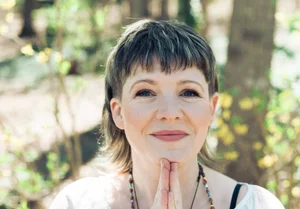
How do you make a mixed-orientation relationship work? There are SO many ways. In this episode, Libby talks with Fernanda of the Polycurious Podcast about how she does it with her partner, who is monogamous.
--------------
Show Links:
You can find Fernanda’s work here:
https://www.instagram.com/polycuriouspodcast/
https://www.youtube.com/@polycuriouspodcast
https://www.tiktok.com/@polycurious
Here’s the interview I did with Fer a few months back:
https://youtu.be/-PGn9T1PbO8?si=-kWJ1fiqJKIWpg0T
(Oh, and according to the ONE YouTube commenter, I’m a “nightmare”, so that’s my first hate comment! Achievement unlocked!)
--------------
Link to get on my email list: https://www.libbysinback.com/email
Also! I created a workbook based on the most popular episodes of the podcast — with simple practices and reflection questions so that you can apply this stuff to your life.
Go to https://libbysinback.com/workbook to get your copy.
Transcript:
Fernanda:
I definitely felt frustrated and I definitely felt like, what is a issue? Like, can I just please go on a date? Like, it's not that complicated, you know what I mean? And it's been so long and becoming frustrated at certain times for sure. But I guess the reason why I didn't feel controlling is because again, he never judged me, right? So he was never like, you can't do this because it's wrong. Or he'd be like, you can't do this because it is difficult for me right now, but I'm getting used to it and it will become easier and I want you to be able to do that at some point, right? So I felt like he was looking after me, but he was also looking after him and I didn't blame him for his feelings and I also cared about it not being a difficult experience for him.
Libby Sinback:
Welcome to Making Polyamory Work. Hi, I'm Libby Sinback and I want to thank you for being with me today. I help people who live and love outside the status quo have extraordinary relationships because I believe relationships are at the core of our well being as humans. I think love is why we're here and how we heal. Today on the podcast, I am joined by the lovely Fernanda of the Polycurious podcast. She's also a relationship coach and she helps people build relationships that actually fit who they are because everyone's needs and desires are different. Based on her own experience being in a mono open relationship, she's especially good at helping partners navigate different non monogamy styles. I invited Fernanda on the show because we had a bunch of really great conversations together just getting to know each other.
Libby Sinback:
And I was also on her show, the Polycurious Podcast, just a few months back. So if you want to check that out, I'll link it in the show notes. And this episode is really about how to navigate when you and your partner want different things. Whether as in Fernanda's case, you've got a partner who's monogamous and you are not and don't want to be, or if you and your partner just have different styles of non monogamy, which is incredibly common. We touch on the big criticism that I got a few months ago when Mia Schachter was on my show and we talked about a polyamorous person who is already partnered dating someone who is monogamous and like starting a new connection with that person and how Mia said that they didn't really think that that would work and I got a lot of blowback from folks. And so I think Fernanda and I speak to that a little bit on this episode, too. And one thing you'll notice is that Fernanda and I are like, really different in the way we approach non monogamy in our philosophies.
Libby Sinback:
But as the title of her show goes, we stayed curious. And honestly, I think that is the secret sauce of having a really great relationship with someone who's really different from you. Well, actually, I think curiosity is the really the secret sauce to having a great relationship with anybody, but especially with someone who seems really different. Because I think to protect ourselves, we will tend to go into judgment, and so much is gained when we just stay curious. I hope you stay curious as you listen to this episode. Before we dive in, I just want to remind y' all again, I am rolling out something really cool, something really new in a very short amount of time from now. And if you want to know about it, it's going to be a membership for everybody who's part of the Making Polyamory Work community. And I really am trying to offer it at an extremely accessible price point and also offer a lot of ways to connect so that this community, which, if you're listening to this podcast, you are part of this community so that this community can connect and be more resourced.
Libby Sinback:
And my vision is like, for it to be like a little safe haven space on the Internet and in real life, actually, where all of the judgment, all of the not being curious about each other, just. That's not happening in our space. Instead, we're holding each other with love, we're holding each other with compassion, and we're just supporting each other in our own journeys, wherever we are. So if you're interested in that, the way to find out about it is to sign up for my email list. There'll be a link for that in the show notes as well. Okay, now we're going to get started with my conversation with Fernanda. Welcome Fare. I'm so happy to have you here.
Libby Sinback:
We get to have another conversation.
Fernanda:
I know, it's so fun. I'm so excited about it.
Libby Sinback:
Me too.
Fernanda:
Thank you for having me.
Libby Sinback:
Oh, my gosh. Yeah. So I already read your bio in my introduction, but I'm wondering if you'd be willing to introduce yourself to my listeners. Just you, the human.
Fernanda:
Yeah, for sure. So, first of all, I'm from Mexico. I guess I should start there because that's where I spent 16 years of my life. However, my mom and my mom's side of the family is Cuban, so I grew up in a Cuban family in Mexico City. And when I was 16, I actually ended up going to India for high school on my own because I got a scholarship to go to a program that's called United World Colleges. There's several colleges around the world. So I could have gone to Italy or Hong Kong or somewhere else, but I ended up in India. And I think that really informed me in the sense that I got to see other cultures.
Fernanda:
I learned English, I mean, I knew a little bit before, but.
Libby Sinback:
You learned English in India?
Fernanda:
Yeah, I mean, I knew a little bit of English from Mexico because it makes sense, but my English wasn't really good. So. Yeah. And then all of a sudden I was in school where everyone spoke perfect English and I had to write essays in English and everything. So it was a really formative experience just being away from home and to kind of do it on my own. And while there were great parts, it was also difficult, but it really kind of opened up my world to then travel more. I ended up going to college in Amsterdam. I went on an exchange program.
Fernanda:
I was already an international student in Amsterdam. I went on an exchange program to Canada, to Montreal, and yeah, I just from there lived in Cuba for a little bit.
Libby Sinback:
Oh, wow.
Fernanda:
And then went to New York to study journalism at Columbia University. And that's when I discovered non monogamy and all that. So I guess all of this to say I'm someone that while, you know, I'm super proud being Latina, I also have a multicultural background that I think has also informed the way that I see the world, because I understood that there's no one right way of doing things, you know, and that applies to relationships as well. But I also think I come from a particularly liberal fashion family as well. So sexuality was always something that we talked about and. Yeah. And I now live in Denver. I moved here almost two years ago with my fiance, Seth, and he is monogamous.
Fernanda:
I am non monogamous, which continues to surprise people because that is a very attractive man that could totally have other women if he wanted, but for reasons that we might get into or not. But basically because of his personality and his upbringing and all of that, he's just not interested in that, but he's always giving me the freedom. So as I started working on Polycurious, my podcast, and when I started working with clients and became a coach, that has become kind of one of the focuses that I have, both monopoly relationships and just more generally speaking, when there's differing levels of intensity when it comes to non monogamous desires and all that. So, yeah, I guess that's a little bit about me.
Libby Sinback:
Yeah. Can I ask, how long have you and Seth been together?
Fernanda:
We actually have been together for seven and a half years. It's gonna be eight years in September.
Libby Sinback:
Wow.
Fernanda:
Which is amazing. And we're engaged now.
Libby Sinback:
You're puppy parents?
Fernanda:
We're puppy parents. We bought a house together, so we're very much established. I feel like we're already married, even though we aren't officially. So, yeah, it's been a long relationship and honestly it's been really great. I always joke, and it's not a joke. Is the truth that all of my poly problems have always been with my other partners. Like, I haven't really had many problems within my monopoly relationship.
Libby Sinback:
Yeah. Well, and I'm curious, when you met, when you and Seth met, were you non monogamous then or did you open from monogamy later?
Fernanda:
Well, I was already non monogamous, but I had never had a primary partner. So I was more having a couple friends with benefits that knew about each other. And I was clear that I was exploring and that I wasn't interested in a primary relationship with them at that time. So when I met Seth, I just told him almost immediately, hey, this is something that I've been curious about. I've never done it with a primary partner, but I had tons of non monogamous friends at that point and I was very familiar with the lifestyle, as some people call it.
Libby Sinback:
Yeah. So Seth kind of knew the deal from the beginning that you were not interested in a conventional relationship or at least you were curious about having an unconventional relationship.
Fernanda:
That's right.
Libby Sinback:
Yeah. Were you looking for like a life partnership type deal when you met him or did that just kind of evolve?
Fernanda:
No, I was definitely looking for that. I mean, I was 24 too, so I wasn't in any rush. Right. So I did want a primary partner, but I wasn't sure if it was going to be my forever partner or not. And while my connection with Seth was immediate and it just felt right. And it has always felt like he's my safe space. And it's amazing. I also knew that non monogamy was something that was important to me.
Fernanda:
So I feel like before I was able, even though we definitely have been hierarchical the whole time and he was my priority and all of that, I don't think I like fully convinced that we would get married until I realized that we could make the monopoly relationship work. Right. Because I was afraid of giving away a Part of myself to be with him. But it turned out that we did it really slowly. We didn't really fully open up until two years after we got together or so. And it turned out that it works great, you know, so that. That's been good.
Libby Sinback:
What do you think is the secret sauce for why it works great for y'?
Fernanda:
All? Well, I think for us, two things. One. Well, three things, actually. One, we took it super slow, right? So again, two years. And it was also because the pandemic got in the way. I'm sure that it would have been a little faster had we not had a pandemic in the middle, But I think that was really helpful in establishing the foundation. I know some people argue that it's better to start off open because otherwise you get too comfortable in non monogamy. And I get that.
Fernanda:
But in our situation, I think that it was really important for Seth to get used to things slowly. And he was super intentional. And that's my second point, that he really knew what he needed and we really did go at his pace. Again, another controversial thing, but I do believe that, like, going at the pace of the slowest person is the best. As long as the slowest person is making progress. Right. And said as long as they're moving. Exactly.
Fernanda:
Exactly. As long as they're moving. And also an important thing that I've been reflecting on. As long as they don't judge non monogamy, I think it's really hard when they want to be okay with it, but they actually really judge it and really see it as something wrong. And therefore making those steps can be really hard. But I think something that was great about Seth is that he didn't judge me. He was like, I don't want that, but I don't judge you for wanting that. I want you to have what you want.
Fernanda:
Whereas I think other couples that want to open up and discover their partner is non monogamous, they might go through a period of, does this mean that they don't love me? Or are they sloths? And I know that they might not want to judge it in that way, but they might come from a background where they. And I've had clients as well. That experience of, like, I kind of judge my partner for wanting sex with other people, but for whatever reason, Seth wasn't like that. Even though he grew up very religiously, like, his dad is a pastor, but he's never judged me for wanting that.
Libby Sinback:
I hear like, so there the three things. Let me just check again. I heard it helped that we Went slow. That feels important. It helped that Seth knew what he wanted, and so he wasn't just, like, grabbing on and along for the ride and kind of putting up with stuff instead of being an active participant in shaping what happens.
Fernanda:
Yeah, that's right. And I haven't got into the third one yet.
Libby Sinback:
Okay, well, then a fourth one. Because the non judgment thing sounds like it's another part that's important.
Fernanda:
Yeah, right. I mean, it's a. There's a lot to it, right? That non judgment. Yeah, it could totally be a fourth one. But I think that going back to Seth really, like, knowing what he wanted, you know, it wasn't just that he was okay with me being different from him, but he knew what his boundaries were, which I think was very important, you know, because now I coach people and I'm like, okay, try to go at the pace of the monogamous person. But the monogamous person is kind of freaking out, and they don't really know what they want or they need. Right. And Anset was very aware of his boundaries, and he wasn't afraid to ask for what he needed.
Fernanda:
So he'd be like, yeah, I feel okay with you doing this, but not doing this. And he knew that he had the answers to what he actually needed. And he did it in a way where he exposed himself to being uncomfortable, but at manageable levels. Right. So he'd be like, okay, it is uncomfortable for me to sit here while you are on a date. So let me just do this once a month to begin with, because that's all I can handle. And then once I get used to that, then we can move to, you know, once every couple of weeks or whatever. Right.
Fernanda:
But he knew the pace that he needed. He knew how to say, actually, you can go to play parties, but I don't want you to see other people right now, or I want you to date people that are partnered, so I don't feel like they can be a threat to me. And he'd be like, eventually I'll get to the point where I'm okay with all of that, but right now I'm not okay with it. And I think that sometimes people have a really hard time kind of setting those boundaries. So that's the second one. I'll tell you the third one.
Libby Sinback:
Well, but I got a question about that one. Can I jump in with some? Because, like, as I'm listening to you, the question that comes to my mind is, did that ever feel just, like, control to you?
Fernanda:
Well, yes and no. I mean, I definitely Felt frustrated. And I definitely felt like, what is a fucking issue? Like, can I just please go on a date? Like, it's not that complicated. You know what I mean? And it's been so long. And becoming frustrated at certain times, for sure. But I guess the reason why it didn't feel controlling is because, again, he never judged me. Right. So he was never like, you can't do this because.
Fernanda:
Because it's wrong. Or he'd be like, you can't do this because it is difficult for me right now, but I'm getting used to it and it will become easier. And I want you to be able to do that at some point. Right. So I felt like he was looking after me, but he was also looking after him. And I didn't blame him for his feelings. And I also cared about it not being a difficult experience for him. So I think I understand there's a lot of poly people who really believe in autonomy and would have a really hard time with the type of structure that I have, which is not only prioritizing my partner's needs sometimes, but also hierarchal, which actually leads into my own.
Fernanda:
Yeah. Which leads into my third point. Because I think Seth has always had this confidence that no matter what, I'm going to prioritize him. And I feel like that has allowed him to be okay with me exploring and doing all of that, because he knows that if he had to, he could pull a veto card. And not as in, like, you can't date this particular person, like, that's never happened. But more as in, I need a break right now. And he hasn't done that either, you know, But I think just like knowing that he can do that has allowed him to feel confident to let me do whatever I want because he doesn't feel like his wellbeing is at the mercy of someone else's quote, unquote autonomy. And I get no judgment on people who do that.
Fernanda:
But when you were asking me, what do you think made my particular relationship successful, I do feel like that really helped. But again, Sev hasn't judged me, like, wouldn't pull a veto card because he doesn't like who I'm dating. So I understand that you can't really have this relationship structure without someone that's truly, you know, aware of themselves and what they need and nonjudgmental and all of the things that Seth is. And I get that some people in non monogamous relationships have to push harder if their mono partner is being reluctant. But I didn't have to do that. Luckily, yeah.
Libby Sinback:
So I'm hearing from you that, like, what made it not feel like control for you was that he's his stated intention and asking you to slow down was, I want to get okay with this. Like, I'm a yes to this in theory. I just need some pacing to get there. And I think that's very different from, I just don't want that, but maybe I will someday. Like, that's a very different energy than I already am okay with this. Just parts of me aren't and I want to slow down. And I think we're speaking both of us, to something that I think can get really sticky when you do have a mismatch of pacing or you have a mismatch of, like, what you actually want out of the relationship. And then there's someone asking, like you said, to slow down.
Libby Sinback:
And another person's like, well, that's not the pace that I would naturally go. And so this feels like I'm kind of being pulled, you know? And like, I've heard other people say this too, that when you're. Especially if you're opening a relationship for monogamy or you're dealing with, like a mixed orientation style relationship, that it's important to go at the pace of the slowest person. And I like the caveat of as long as that slowest person is moving at all.
Fernanda:
Right.
Libby Sinback:
And at the same time, I think there are people who have even experienced any kind of, like you said, sort of compromise on their autonomy as, like, some people really do experience any kind of compromise on their autonomy as control. And I guess I wonder what you'd say to that.
Fernanda:
Yeah, I mean, I think that sometimes I was talking to someone about this because, for example, I have some clients often, to be honest, women that feel like their partner making a request is controlling them. And I think that has to do a little bit. Because as women, we've been repressed. Right.
Libby Sinback:
We feel like a request is not actually a request. Like, no, it's not an acceptable answer.
Fernanda:
Yeah. I think sometimes we tend to go to the extremes. Right. So if I've been a woman that has been traditionally, like, repressed. Yeah, right. In what I want and sexual desires. And then all of a sudden I discover feminism and I'm empowered, and that's all beautiful. But then when someone says, hey, I'm uncomfortable with you going on a date, you might hear that as, this person doesn't want me to be free, this person is restricting me.
Fernanda:
This person. Right. And it's not gendered. Men Also experience this. But I do think that a lot of it has to do with people kind of going to the extremes or for example, people who grew up.
Libby Sinback:
Well, even in your example, I just want to hold out here that like saying I'm uncomfortable with something is not the same as don't do it and would you not do this for me, please? Is not the same as you're not allowed to do this or else. Like those are all really different things. Like one is a demand. You're not don't do this or else is a demand with a threat. Right. Then you have a request which you can meet with a yes, a no, or a no, but right, like I won't do that, but what's the underlying need? And then what else could I do that might meet that need? And then there's the I'm uncomfortable and that there's no request in there at all. And I think, like what you're saying, some people, I think both men and women and non binary people like all different. There's a range of people who learn a lesson that if I have made my partner uncomfortable, then it is my job to fix that and that that is a failure of mine if I've made them uncomfortable.
Libby Sinback:
And so it comes across as a demand when it's actually not. It's just a statement of how you're feeling.
Fernanda:
Yes. And I think that's such an important distinction and I work with my clients a lot of this to separate their partner's reaction to whether you did something wrong or not or you need to change your behavior. Right. Because I don't think we're as a society, generally speaking, comfortable with being uncomfortable. Right. And I think that you have to accept that, especially at the beginning when you start exploring non monogamy, you are going to feel uncomfortable. Your partner is going to feel uncomfortable. And when that happens, instead of, as you said, taking it as I did something wrong or my partner did something wrong and we need to change what we're doing or maybe we're not fit for non monogamy or maybe to just be like it's normal to feel this way, I'm going to feel uncomfortable, my partner is going to be uncomfortable, we'll get to the other side.
Fernanda:
And I think that's what happened in my relationship. Seth would very consciously say, okay, I'm going to be uncomfortable while you go on a date. And I know that and I'm prepared for that, but that doesn't mean that you need to change anything. And I'm not going to Put that discomfort on you. And while of course I felt guilty, it was difficult to see him uncomfortable or jealous because I knew that he saw it a little bit, like, as a muscle that he was training. And it's more like just getting used to me coming back. Right. I was like, okay, I'm not doing anything wrong.
Fernanda:
I would remind myself of that. But I think that I was lucky in that set. Didn't put those feelings on me because I think other partners might feel that discomfort or jealousy and might express it to their partners, either hoping they will do something to fix it or not even. But then the partner feels like, okay, I need to do right. So I think a lot of it in non monogamy is getting comfortable with the uncomfortable.
Libby Sinback:
Yeah. And just even being willing, like, being able to say, hey, uncomfortable doesn't mean anything's going wrong. It just means that you're uncomfortable. It's a signal. Right. And it might be a sign that there's something that's not right for you happening. So I don't want to just push past it, but, like, listen to it and not jump to, oh, everything's awful,
Fernanda:
or, yeah, it's just an adjustment, you know? And if people are curious to hear from Seth's side as well on how he dealt with that. Well, I have a couple of episodes with him on my podcast, but in the. On the first one, which I can send to you so you can put it in the show notes, he explains how he dealt with that discomfort. And yes, I'm sure, like, things came up for him. People say jealousy information, but at the same time, you're going to feel uncomfortable when your partner goes on a date. Like, that's just because of how we're socialized. Like, it doesn't have to be that deep either. Like, it can just be that you are uncomfortable because you've been told your whole life that you're supposed to date with some.
Fernanda:
That. Yeah. That you're supposed to be. And it's just a matter of, like, practicing it a little bit for you to be like, oh, actually, my partner came back, everything's fine, we're good. And I guess actually something that we didn't mention, but I think it's worth talking about in my relationship with Seth is that we actually have. I call it partially done as don't tell. But it's not really like, Seth doesn't know what I'm doing. Like, he always knows if I'm on a date the majority of the times he knows who I'm on a date.
Fernanda:
With or at least like where I met that person or whatever. But I would come back from a date and he requested that we don't talk about it. And we basically like pretended like it didn't happen. And to this day, even though he's a lot more comfortable with me sharing, he doesn't really want to hear details. And that was really difficult for me at first. But I think that it makes a lot of sense, especially at the beginning because of what we were just talking about, of not wanting the other partner to dump their feelings on you and make you feel guilty or you feeling responsible for their feelings. There's also a part of you that wants to be there for your partner and that's also great, right? Like if your partner wants to come to you and say, yeah, it was really difficult, this and that, and you just say I love you, you give reassurance, that's great. But if you come back from a date and is one of your first experiences going out on a date and your partner is struggling, if you come back and you're like, oh, we went to this amazing restaurant and I really like this person and we were having this really deep conversation and they're into music and I'm also into music and whatever, your partner of course is going to be uncomfortable and feel jealousy and all of that.
Fernanda:
So I think that another thing that I would like to stigmatize is to not talk about your dates with your partner if it's the beginning. Again, everyone's different. Some people really need that and, and I respect that too. But I think that often we're like, okay, we're doing this non monogamy thing and we gotta do it right. And doing it right is transparency. So I'm gonna like sit down and ask my partner how the date went and like have to swallow the jealousy that comes with that. And it's like, if it's not relevant how the date went, then you don't have to. And it's difficult for you at first, you don't have to hear about it and then later you can start adding more things.
Fernanda:
Or maybe you just want to know if they had sex and if they're going to see each other again. But you don't need to know how amazing your partner thinks the other person is if that's difficult for you at the beginning, you know.
Libby Sinback:
Yeah. I think what I'm holding here is like a multiplicity of ways of sharing information. And it's interesting, I was talking to someone recently about that where there was this, this couple and they were trying to figure out how much information they should share with each other. And I said, that is so unique. I didn't say it exactly this way, but see, it's as unique to people as a fingerprint, I think, in terms of what's right. Some people, like you said, they feel so much more comforted by information. Even if it's uncomfortable information, it's soothing to, like their anxiety or it's. They're gonna imagine so much worse.
Libby Sinback:
So they need the clear picture of what's going on.
Fernanda:
Yeah. Or they have histories where they've been lied to totally. I see that a lot. And so then they really want to be in the known. And I get that.
Libby Sinback:
Right.
Fernanda:
And then it's just the assumption that that's how it needs to be.
Libby Sinback:
There's not one way. Exactly. There's not one way. And I think what I hear you say is, like, there are some people who. They're not lying. I mean, I think the tricky part about don't ask, don't tell is if it's gives you room to lie to yourself. And the only reason why that's really a problem is that if you lie to yourself about what's really happening and then the truth at some point makes its way into your sphere, then you're not prepared to deal with it. I think that's why I think don't ask, don't tell is.
Libby Sinback:
Is tough because at some point, some piece of information is going to come through that reminds you of reality that you're not dealing with if that's why you're doing it. But if while you're doing it is, hey, you know, actually, like, I'm fine not knowing. I trust you. And hearing the details actually puts pictures in my head I don't want.
Fernanda:
Yeah, exactly.
Libby Sinback:
I'm fine. I had a really great conversation with Dean Spade about this, and I'm hoping to air that episode soon, too. But he was talking about how, like, he really doesn't want to hear all about his partner's boyfriends. Like, he's just like, yeah, I'm. And he said the best thing, too. He said, I'm a jealous person and I own that about myself. I don't think that's a moral failing. But that means that I have to take care of that really jealous part of me.
Libby Sinback:
And that may mean limiting the amount of information that that part has to, like you said, has to kind of deal with.
Fernanda:
Yeah. And you don't even have to be jealous. Like said, I don't think experiences jealousy at all anymore. But he still doesn't love to hear the details. Like, he just. It's uncomfortable for him, even if it's not jealousy. But hold on. I think you made a really good point about something and I'm trying to remember what I.
Fernanda:
I wanted to say, but avoidance.
Libby Sinback:
Was it. Was it about the avoidance?
Fernanda:
Oh, yeah. But I totally agree with you about the danger of don't ask, don't tell being that Then like a piece of information that you weren't prepared to hear, like, comes in and you're like, wait, you have another loving partnership? And I thought this was casual or whatever. Right. And that's why Seth and I have an interesting thing where I come back from a date and I don't talk about how the date went, but he'll ask about, like, status updates. So, oh, how is it going with this person? And I share and I'm like, yeah, well, we talked about partnership or. Yeah, I mean, it's mostly sexual or actually, yeah, I'm like, curious about feeling out if this could be something more romantic or whatever. Right. So actually the second episode I did with him, it's called Donaz don't tell, but different.
Fernanda:
Right. Because we have that. But he's in the known because of those status updates. And also we kind of have a kitchen table dynamic where he knows the majority of the people that I date because they're usually friends within the community and we have them over at our house. We even had my ex partner staying with us for a weekend. Right. So not knowing the details of the date doesn't mean that you need to be.
Libby Sinback:
You're not playing blindly, I believe.
Fernanda:
Yeah. Yeah. You don't have blinders. And I know that some people do use donors. Don't tell that way. And I don't agree with that because of what you just shared. Like, it's important.
Libby Sinback:
It's not. Yeah. It's not for me to agree or disagree so much as, like, I just see the risk. Right. Like, that's how I always approach stuff is like, I really am not so interested in like, what the right way or the wrong way is. It's like, what are going to be the risks for future me if I do this thing. Right, you know?
Fernanda:
Right, right. And I think in some settings it can work really well. Like. Yeah. I think if you are, like, doing it while you're traveling. Yes.
Libby Sinback:
Really good at hiding stuff. Like, if you're really good at it,
Fernanda:
I could see it. Yeah. I mean, like when you have to lie or when you are doing things that you are, like, wondering, like, would my partner be okay with it? And then your partner finds out about something and then they're like, I'm not okay with this. Right. Like, I think that that's when it gets tricky. But, yeah, I agree with you. And actually, that's one of the things that I like about you and your podcast and your approach is that you are not judgmental. Like, I feel like a lot of other people in the poly space are.
Fernanda:
Right. So if Donna has until works for you, great. You know, but there's versions. It's not either Donut Fool Donuts Don't Tell, or you share absolutely everything. Right. So I encourage people to also just find whatever works for them.
Libby Sinback:
Hey, real quick, before we get back to the episode, if you've been listening to this show for a while and you've been nodding along but then feeling stuck and making these ideas part of your real. Well, I made something for you. It's a workbook based on the most popular episodes of the show with simple practices and reflection questions so that you can apply this stuff to your life. Just head to Libby sinback.com workbook and grab your copy. Well, and I think that brings me to, like, I have more questions about other aspects of your relationship, but the thing that comes to my mind just hearing that is like, that means you have to be able to talk about how something went. Right. Like, let's say there is a moment when you don't know yet how much you want to share or not share. You might try.
Libby Sinback:
Hey, like, you might not even know how much you want to hear. And so you might. I mean, did that happen for you? Or do you feel like Seth knew before anything that exactly how much he wanted to hear. Were there moments where, like, you shared and he was like, oh, babe, that was actually more than I wanted.
Fernanda:
Exactly. Yeah. Going back to Seth, really knowing what he needs and really being able to stand up for that. Yes. We've had moments many, many times when I've been sharing. He's like, that's becoming a little bit too much. And I'm like, okay. So we're like always testing the boundaries.
Fernanda:
And I think with time, I kind of have a God sense of what he's comfortable hearing and what he isn't. And it is imperfect. Sometimes I really want to share things with him. Actually, one of the reasons why I've been taking a break from non monogamy is because I realized that as much as sometimes I do feel more connected to Seth because there's this part of My life that I'm not fully sharing with him. It does kind of create a disconnection sometimes. Right. So it's not perfect by any stretch, but it's what works best for us, you know?
Libby Sinback:
Yeah, well. And I think it's like, like you said, you have to try stuff and see how it feels. And then like you said, might, you might. And I want to ask you more about that in a minute. Like, you might have to take break sometimes to recalibrate and kind of see, like, okay, how is this working for me? What is it costing me? What is it. How is it benefiting me? What's it costing my relationship? And I think that's okay. I think it's okay to assess and reassess what's working for you and what's not. So I have two questions and they're very different.
Libby Sinback:
So I'm going to start with this one, which is I'm wondering, was there any moment. I'm sure there was. Was there any moment where Seth was saying, hey, I'm not okay with this thing, and you were like, excuse me, like, like where it felt like you were really, like, pushing up against his desire to have some boundaries or have some pacing, like where you really disagreed?
Fernanda:
Yeah. I think generally speaking, as I was talking about, like, I've always made it a point to prioritize him. And he's so permissive, you know, that when he says no, it's so rare that I try to respect it. For example, you know, even though I had been taking a break from non monogamy, I did go on a date last night and I wanted to stay over. And he was like, well, it's a Sunday. I want to wake up on Monday with you because Mondays suck and like, I don't know, I just don't want you to be there. I'm like, totally, baby, no worries. Because he's let me stay over so many times.
Fernanda:
Like, I've gone on trips with other partners, right. So when he has a request, I try to honor it. And I mostly agree with them. The one request that I actually don't agree with, and this might be a little personal, but he's asked to always wear a condom with partners, which I understand this, I guess.
Libby Sinback:
Yeah, yeah, yeah, you can wear a condom. You can wear a condom too. That's true. I mean, always use barriers. Yeah, yes, yes, yes.
Fernanda:
Always request that they do. And I understand the STI concerns and the pregnancy concerns. Right. But totally, you know, I was with my partner John for a year and a half and at points I was like, I'm tracking my cycle. So I'm like, okay, I'm sure I cannot get pregnant because of where I'm in my cycle, John is getting tested. Right. So we're, like, eliminating the variables that would make it impossible for me. And it's not like I want to have unprotected sex with everyone, but I'm like, babe, this is a partner that I've had for, like, a year and a half.
Fernanda:
And he was like, something about it just doesn't sit well with me. Like, it wasn't anymore about the pregnancy or STI concerns. I think it was more about something else, that it's not logical, which is why I don't agree with it. Like, it doesn't make sense to me. But he just, like, feels a certain way around that. So even though I respected that boundary, and I'm like, okay, fine, that's the one that I kind of, like, want to push. Not right now, because I don't have any partners, stable partners, but that's the only one that I've been like, I don't agree with your boundary. You know what I mean? Like, I think your boundary is silly, but I also understand, again, it's the one thing where he has an illogical boundary.
Fernanda:
Like, I'm going to respect it, but it's also. It doesn't make sense to me.
Libby Sinback:
Yeah, I think you're speaking to something that a lot of people run into, actually, which is that there's something about unburied, I think, intercourse specifically, that feels really precious to some people. And I think it doesn't feel precious to other people. But I do think for the people who. Who it does. Yeah, it's Maybe it's, like, spiritual. It might have to do with, like you said, the possibility that a life could form or it could be. There's this whole thing about penetration. I don't know.
Libby Sinback:
And who knows how much of it's wrapped up in the patriarchy and about ownership and how much of it's wrapped up in, like, wanting something that's just for the two of you that's, like, you know, held sacred or something. And it's. Boy, it's a tricky. It's a tricky issue because, like you said, I think I'm more in your camp of it's like, bodily fluids. And, yes, there's risks involved, but, like, if the risks have been mitigated, it's just. Yeah, it, like, it's. It's gone out of the body in, like, a matter of hours.
Fernanda:
It's yeah, yeah. And I think that we're getting into a very interesting topic, like what happens when you don't agree with your partner's boundaries? Right, right, right. And I think that usually my advice would be like, well, try to reach a middle grind, right? Like if your partner's boundary is no trips, then try to negotiate like an overnight or a two day trip or something.
Libby Sinback:
Hang on here. Because I gotta use the terminology that I, that I preach here, which is we're not talking about boundaries, we're talking about agreements or requests right here.
Fernanda:
Right, right, right.
Libby Sinback:
Even though you're using the language, which I gotta tell you, makes me a little itchy, but I'm gonna deal with it in a minute. Of like, my partner lets me, my partner allows me. It' not actually how it works. You're a grown adult woman, He's a grown adult man. Like he doesn't own you. Right. He's saying, I am okay with this thing and therefore I'm not going to kick up a fuss about it or what have you. So that's like being flexible, right? That's being flexible.
Libby Sinback:
Like I'm not going to kick up a fuss about something. And then there's like, what a boundary would be is things that you're not going to do because it's right for you or wrong or that you're doing because you care about the relationship more than you care about this other thing that you might want to do. That's where a boundary would be. But a request would be, hey, babe, please come home on Sunday night because I really want to wake up with you on Monday morning. That's a request. You could still say, no. You could still say, right, I love you and I really don't want to have to drive home on Sunday night. I would rather sleep there.
Libby Sinback:
How about I come at like 5 in the morning and sneak into bed with you and then you can still wake up with me. Would that still work? Like that is another way that that could get, that could get handled. I guess I wonder how that lands for you that I'm making these distinctions.
Fernanda:
Yeah, no, I completely agree. I completely agree. What we're talking about is agreements. Because SED would never be like, you can't do this, Right? Even when he expressed that he would rather wake up with me on Monday, he said, if you really, really want to stay over, you can, but my preference would be that you don't. So it's always a conversation between Even the, the condom boundary. Right. Even though he was like, I'm not Okay with this? He didn't say okay, I'm not okay with this. No discussion.
Fernanda:
We had a conversation about it. Right. So it's very much agreement.
Libby Sinback:
And that's an agreement, right? You're saying I will for your comfort and for your well being, for based on the request you're making, I agree that I will not have barrier free sex with other partners. A way that you can make that a boundary if you wanted to, which I don't actually think is a great idea. Not everything should be a boundary. But like for some people, this is how they do it. And they would say, hey, I will not have sex with you if you have had unburied sex with other people. So if you would like to continue to have unburied sex with me, I need to be the only one you're doing it with. And that's acceptable too. Like, I think that I like negotiating more than I like boundaries.
Libby Sinback:
But if you like, if you don't feel like there's room to negotiate and you just need to protect your own sexual health, that's another way you can approach it.
Fernanda:
Yeah, for sure. I think, I think what gets complicated is when it's hard to reach compromise, right? Like with this condom situation, it's not like I can be like, okay, well we'll wear half a condom.
Libby Sinback:
No, you can't. Yeah, it's true.
Fernanda:
I mean, you know what happens when you don't agree, when you don't like, it doesn't mean what your partner's desire is that they're communicating with you and you want to negotiate. There's no middle ground and you just a lot of do not agree. Right? And I think people have like a really hard time with that. And I have a hard time. I mean, like, it's hard for me too. But again, even if you can't negotiate that specific boundary, at the end of the day, it is a negotiation because I'm like, okay, well I will use condoms or my partners will use condoms with me every time. And that's. There's no in between there.
Fernanda:
But then I'm thinking of all of the other things that said is okay with, you know, that he might, he could not be okay with. So it's like, okay, I get to do all of these other things. And the one in my mind, illogical boundary that or sorry, agreement that we've made is that, you know, that I need to work on. Okay, I'll take the deal, you know, and to me, right, it's about that. It's like no relationship is Perfect. And you just have to be like, okay, am I willing to give something up to get something else that I want? And I think also in monopoly relationships, that's very important to think about.
Libby Sinback:
Absolutely, absolutely. Because the thing I think you're saying, and I think this is true, is that whether it's monopoly or whether it's just two people who really approach things really differently and that could even have nothing to do with, you know, relationship styles. It could have to do with, I mean, an extrovert dating an introvert, you know, or, or a night owl dating a morning person and being like in a life partnership with that person. Like, nobody's going to get everything they want. Right. If I'm dating someone who prefers to. Or if I'm married to someone who prefers to be up until 2 in the morning and likes to sleep in, and I like to go to bed at 9 or 9:30 or 10, and I like to wake up at 5, 6, 7, then we're going to struggle to go to bed together. And that might be something that's important to us.
Libby Sinback:
And so like, there is sometimes a compromise in that, but it might be a compromise where nobody's getting what they want because I don't want to go to bed at 11 and they don't want to go to bed at 11, but we're fucking going to bed at 11 and neither of us are happy. Or maybe we trade off or maybe we just learn that we don't, we can't go to sleep together and we have to find other ways to get that need met. But like, thinking about then in polyamory terms, like you said, there are some things where you can do that middle ground. There's some times when you can take turns and then there's some things where it's like all or nothing. Either you're having unburied sex with somebody or you're not. And then what do you do when you disagree? Well, like you said, you can, either one of you can just say, okay, well, I'm okay with giving up this. If I get all these other things, like I'm getting enough of what I want that I'm willing to let go of what I'm not going to get. Or another thing I see, I don't know if you've seen this is people just saying, well, I'm going to do what I want anyway.
Fernanda:
That's exactly what I was going to comment on. Going back to the topic of whether it felt controlling to me or autonomy. And again, I think people just go to the extremes. And we'll live in a world where we feel like whatever we want we should be able to get and that we have tons of options in the dating apps of people that might be able to give us all of what we want. And I think that sometimes we forget that no matter what, how perfect you feel like your partner is for you, you are going to have to compromise. And I think a lot of people just jump from one partner to the other because they're like, oh, they can't meet me exactly where I want. Right. And it's like, well, they meet you like 70%.
Fernanda:
And for example, in my relationship, I feel like we have an amazing relationship and we have great sex as well. But one of the main reasons why I'm non monogamous is because my partner said he's not as sexual as I am and he's not kinky and. But he lets me, lets me. I can know him using. But to me, it does feel that way, to be honest with you.
Libby Sinback:
Well, well, he. I mean, I can see it, right. It's like I'm. The way that I'm letting you is that I am not making a fuss about it and maybe I'm even supporting you, you know?
Fernanda:
Yeah.
Libby Sinback:
So I think it's just, you know, like I said, it's that little like, we don't own each other kind of language that sneaks in. And you're not the only one. Right. It's like. But it's just sort of like.
Fernanda:
Yeah, I mean, I think in my case, again, because he's monogamous, because he's not necessarily.
Libby Sinback:
And you said yes to a relationship with a monogamous person?
Fernanda:
Yeah, he said yes. As I said, everything is a conversation. But it's.
Libby Sinback:
So you're letting him not have other relationships?
Fernanda:
Well, I mean, I'm also letting him have other relationships if he wants to, but he's not interested for whatever reason.
Libby Sinback:
You know, you're letting me.
Fernanda:
Yeah, he's. He letting me be me. I'm letting him be him and that's why our relationship works. But what I was trying to say is that I think a lot of people would be like, oh, the sexual aspect is not exactly how I want it to be in my relationship. So therefore I need to break up with this person. And I think that the beauty of non monogamy is that it's like that one part where your relationship might not be perfect, you might be able to get from someone else. Is it ideal? No, I would much rather be able to, for example, share More of my experiences with Seth, just both sharing, like what I go through, but also sharing sexual experiences with him. And I wish that he was more kinky and he was more sexual and whatever, but we have a great sexual connection and he's okay with me having that kinky sex with other people.
Fernanda:
And yes, it's not like the ideal scenario, but I'm like, he's amazing and an amazing. He's perfect in all of the other ways. Like, I'm. I'm taking this deal. You know what I mean?
Libby Sinback:
Yeah.
Fernanda:
Yes.
Libby Sinback:
Yeah.
Fernanda:
I think other people would be like, oh, no, the sex is not exactly how I want it. I need a partner that's both the steamiest sex and also my best friend and support system and my safe space. And often those two don't go together. You know what I mean? So, yeah, I think that we are at a time where people perhaps are missing out in compromising and working with what they have because it's always a potential better option around the corner. Especially when you're dating multiple people, you know.
Libby Sinback:
Well, I also think you're speaking to, like, what type of mindset you need to have if you want to have a long term relationship where you're investing a lot in each other and you're sharing a lot of life together versus not wanting that. Like, you know what I'm saying? Like, there's. I do think you're right. Having been in the dating world and then also being married for as long as I've been married, and there is kind of, it's kind of tossed around in our community that longevity isn't a signifier of success in relationships. And I agree with that. And I also think there's something really beautiful about longevity, about staying with someone for a long time. And I think there's something really beautiful about the compromises that you have to make. Like you said the deals.
Libby Sinback:
I think I like that you're putting it like that. Like, I'll take the deal and the deal can change over time and then you have to reassess. Well, I still take the deal. Is this still a good deal for me? Is this still a good deal for you? But it's always a deal. Because when you're sharing that much of your stuff with each other, yeah. There's no way you're gonna line up on everything. And so you have to decide what are the things that we don't line up on that we can compromise and still play together in that space.
Fernanda:
Right.
Libby Sinback:
And then what are the things that we don't Line up on that we might need to let go of and still stay together. Anyway, like I was saying before, like, what if I'm dating a night owl? Maybe we just accept we don't sleep together. And maybe we would have really liked to have a partner that we sleep together every night with. But everything else checks all the boxes like you said. So maybe I just don't get a sleeping partner. We still do all the other things, but that's just one thing we don't get. Or we only get it sometimes when the moon is in the right position or what have you. And I think, like, I agree with you too, what you're saying that I think some people are too picky, too fussy sometimes because we feel like we have infinite choice, but I don't think we do.
Libby Sinback:
And at the same time, I don't want people to settle and cut off parts of themselves just to be in a relationship.
Fernanda:
So it's like, yeah, you have to ask what's important to you. Right. And that's different for everyone. For me, sex is important, but having a primary partner that's very sexual or that's kinky is not my priority. You know, it might be someone else's priority, and I totally respect that, you know, But I'm like, okay, well, this is the one thing where it's not perfect, but again, I'll take the deal.
Libby Sinback:
Right. And that's something that it's really good to get clear on. And I guess I wonder, would that be something you would advise your clients to do when. When they're thinking about like, hey, could I make this mono polydynamic work or could I make this, you know, I, I want more just kind of em. Like just having other sexual partners and my partner actually wants to be in relationships with these people and be in love with them. And gosh, that's just such a difference that we have is that like, maybe one thing that you would coach them on is like, hey, let's talk about your deal breakers and your deal makers. Like, let's talk about what's. What are you getting out of this relationship that is good and easy and wonderful, that is making it worth this thing that doesn't line up.
Fernanda:
Yeah. I think that with my clients, often they don't really. They don't really have the answer to that at first. I think that it's often through trial and error. So I'm often like, okay, well let's try out some things to like, figure out if you have any non negotiables. Because often for example, when Seth and I started opening up their relationship, he said, I don't think I'm gonna be comfortable with you going on trips with other, other people. Now we're able to do that, right? So, like, you often, like, think one thing, and to me it's just like, you just have to, like, feel it in the moment. But what I do advise them on is let's go very slow again so we can at each step of the way, come back and be like, hey, we made this agreement, or we thought that this was a non negotiable.
Fernanda:
How are we feeling about it now? How has that changed after we had that one experience? What did we learn about that? Because I think that with non monogamy more than anything, it's really about trial and error. And yes, you might come and be like, yeah, this is my non negotiable. Like Seth, for example, his non negotiable was, I want to be your priority if we're going to do this. And I agreed with that. You know, but some people might not really know that or might think that that's important and maybe.
Libby Sinback:
Or what does that mean?
Fernanda:
Yeah, exactly. I think that people sometimes come, like, afraid, you know, and. And then their non negotiables might be based on fear more than actual reality of what they would be comfortable with or not. So I think that before getting too strict about what your partner should or shouldn't do or what your non negotiables are, try. Try them out, you know, a little bit and see. Yeah, try some things out.
Libby Sinback:
Yeah, that's what I would agree with you there. And I think that that really, I think, illustrates what I would mean too. And I think what you would mean when we're saying going slow. Because I think some people might think going slow has something to do with time, and I don't think it actually has to do with time. I think it has to do with slowing down enough to feel something and see how it feels and then slowing down enough to communicate about something so that you've checked in and seen how it goes and slowing down, that if someone's hurting, we repair before we keep it moving. Because I think when what happens is if something doesn't feel good and then something else doesn't feel good and you haven't had any chance to catch your breath and see.
Fernanda:
Yeah.
Libby Sinback:
What the heck's actually happening.
Fernanda:
Yes.
Libby Sinback:
Then you're gonna get overloaded and you're not able to like, deal with, negotiate anything because you don't even. You're like, you're just overloaded. So I think that's like a really good, important thing to hold is that like it's not about, oh, you do this for six months and then do this thing for six months. It's like, try it for a little while and then check in and discuss.
Fernanda:
Yeah. Or like one thing. Like try this new agreement for one date. Yeah. And then we come back and we talk about it and we decide, you know, because sometimes people feel like they have to stick to.
Libby Sinback:
Right.
Fernanda:
You make whatever agreement forever and it's like, no, just do it for a week or a month or six months or whatever, you know, and then it's always open to renegotiation. And I think that's also important for people to feel like they can make choices and they're not forever that they can change, you know.
Libby Sinback:
So what do you think that for Monopoly folks or like I said, I would say mixed orientation folks in general. What would you say are like the most important things that you'd want them if you could like beam it into their brain? What would you want them to know? To figure out if this actually can work or not?
Fernanda:
Yeah. Well, one thing that perhaps we haven't talked about is that I do think that it's important for the mono partner to get something out of the dynamic. So in my case, what Seth gets is that he gets solo time and he loves his alone alone time. He's an introvert and it works great because I get recharged by being with other people, I'm an extrovert, and he gets recharged by being at home. So then we each do that and then we come back together feeling good. Right. So even though he's not dating himself, he is actually getting something out of our dynamic. And it doesn't have to be that.
Fernanda:
It could literally just be that you are really happy that your partner is happy. But I do think that if you feel like your partner being non monogamous is a nightmare and you are like really pushing yourself or the other way around, you feel like you really want to be non monogamous and your partner is really having a hard time with that and you've tried coaching and you've tried going slow and reassessing and you've tried all of this for whatever reason. Some people are just not comfortable with the dynamic. Right. So I think that, that it's just very important to be aware of that and when you might have to unfortunately give up the relationship if your non monogamous identity is really important. And the other thing I'd say is I'm really talking about primary monopoly relationships. I'm not talking about someone with a partner that is dating a monogamous person. And I know there's a lot of questions about that, but I feel like those.
Fernanda:
That's a totally different type of relationship. Right? Like, I don't think that if, and I understand not everyone is hierarchical, but I don't necessarily think that if you already have an anchor partner and you're dating someone who's monogamous, like, you should go at the pace of the monogamous person. I think that, you know, at that point that's different. That's different. At that point you want the monogamous person to find their anchor partner. So you don't want to start getting into, you can't date and I can date and let's be exclusive. And I understand if it can be like at first if like the non mono, if the monogamous person is having a hard time with even you having just one partner for you to be like, okay, for the time being, maybe I won't have other partners. But I think that it sets the wrong precedent or like idea because you are restricting yourself to be with this monogamous person.
Fernanda:
That means that like you are giving them kind of like anchor partner time and space in your life even though you already have an anchor partner. Whereas I feel like it's really important for the monogamous person to also be dating and also be like trying to find their monogamous partner other than their anchor partner. And I think that when, especially when people say they're non hierarchical, there are times where the, the monogamous person is holding onto the idea that the poly person that's already partnered and that already has an anchor partner could be that for them too. And I don't think that that usually pans out well because there's a lot of expectations and the hinge is feeling the pressure of two people that have all of their energy on them and want them to be their encore partner. And they might not be able to hold that and they might be preventing the monogamous person from finding their partner. So I just wanted to also mention that, that like everything I've talked about in this episode, it's been more for monopoly anchor partnerships. And it's a very different when you are dating a monogamous person as a partner person. And what I'd say is I did two patron presentations, one on monopoly relationships, another one in like dating a monogamous person when you have a partner which again, I can also send you the links for that.
Fernanda:
But what I would say about those relationships, if you are a poly person dating a monogamous person, nothing wrong with that. But again, make sure that the monogamous person is also trying to find their person, that you're not giving the false impression that you're going to provide that for them when you already have a partner and you cannot provide that for them. And also that you know that most likely your relationship is going to end. It's not going to be a long term relationship because the monogamous person might find someone else to be monogamous with or, or they might expect from you things that you cannot give if you already have an encore partner.
Libby Sinback:
Yeah, I mean, I think I see what you're saying and I would agree with you. If a monogamous person is dating someone who's already partnered and they're kind of in that incoming partner role, it depends on what that relationship with that established relationship looks like. If it's kind of a, if it's a more hierarchical, like you said, primary or anchored relationship, where that's, that is the relationship that is allowed and that, that's in that shape and the other person, it's like that's not going to be available in this other, for this other person, then yeah, I would say that that's going to be a struggle. If the monogamous person is seeking a long term, like more anchored primary person. If they're seeking that kind of person, they meet this really amazing person who's so great, except that they already have a primary partner and that primary partner takes up a lot of their time, energy and attention, then that's going to be disappointing for sure and probably unsatisfying. I can see scenarios where it could work. For example, let's say that monogamous person is flying out of the country seven, eight times a year for their job and they really can't maintain like an anchor partnership in the same way that like a typical like cohabiting partnership would. And so, and they've, they've been broken up within the past because their partner's like, you're not here enough or whatever.
Libby Sinback:
You know, that person might seek out even though they're monogamous, they're not interested in having multiple partners. They might seek out someone who already has that box checked of domestic partner and then they could have a relationship with that person. But they, they feel enough because that. Yeah. So I think that's a way which it could work out well or another way that I've seen it work too is like being co primaries. That is the thing that can happen. I think in that scenario, I think everybody in that dynamic has to get along. I really don't think you can have two intense primary partners who do not get along with each other.
Libby Sinback:
I think that is very, very hard because of what you're saying about just the limited amount of time, energy and attention all focused on that one person and then if they're kind of both pulling on that person, yeah, that's going to cause a problem. But if they say, oh, we're in a shared ecology and we can all, we can all benefit from this, maybe I don't want multiple partners, but I love my meta more and I enjoy the friendship that we have and I love my partner. And maybe like I said, I have other outside interests and friends and stuff where I'm getting a lot of my relational needs met in group spaces. I think it could work then too. But I've seen a lot of what you're talking about, so I'm not going to dis, I'm not going to disagree.
Fernanda:
No, I totally agree with what you're
Libby Sinback:
saying, but I just want to, I don't want to be all or nothing about it because I've definitely. There are other scenarios where it could work. But I hear you saying, I think the thing that I hear you saying that I really want to come back to is you have to see a benefit for it, for you to hang in with a mismatch dynamic. Like the monogamous person in this case needs to have a benefit for them for making space for what they're not going to get, which is monogamy.
Fernanda:
Yeah. And again, the benefit doesn't have to be a direct benefit. It can just be really, again seeing your partner being happy and just being happy for them. Right, Right. Or it can also be something that's not immediately a benefit. Right. Like, you know, even though Seth has always enjoyed his solo time, he did struggle at first when I went on dates. But then with time he started to focus on the enjoyment of being at home and being on his own.
Fernanda:
Right. So you might not see the benefits at the beginning, but if you've been at it for a while and all that your partner's exploration of non monogamy is bringing you is distress and you see no positives. If it's a, you know, your partner does it casually every once in a while, like that's fine. But if your partner is having another partner and you're like really struggling you're
Libby Sinback:
having to reorder your life around it. Yeah, yeah.
Fernanda:
Then, you know, it needs to feel. It needs to feel like you are not there because. Only because you don't want to lose your partner. Right. Like it needs to feel like you are there because you want them to live their best life. And you have, you have learned to manage this and you're happy for them and you are also getting. Enjoying the time that you are getting when your partner is out or whatever it is. But, but there needs to be a little bit of something in there for you, I find.
Libby Sinback:
Yeah, yeah. And not judging. That's another one I heard too.
Fernanda:
Yes. Not judging. Yeah. Which those two are related. Right. Because if you judge, you're probably not going to see benefit of the dynamic as hard as you try to make sense out of it, you know?
Libby Sinback:
Right. Well, and you can judge your partner or you could judge yourself. You could judge, oh, I'm not evolved enough or I'm not lovable enough, or I'm not giving my partner, you know, all these different things that you could turn against yourself as a reason to why this isn't good, or I'm a chump. That's another one I see sometimes too is like, I'm letting my partner do this thing and therefore I'm a fool for, you know, allowing this. Yeah, all that stuff's going to back up on you.
Fernanda:
Yeah. And I think generally speaking, the biggest thing that I work on with my clients that come with Mitch mismatched non monogamous styles is just kind of recognizing that it's okay for you to be different from your partner and that, you know, maybe you're monogamous, but you might be open to a casual encounter every once in a while. But I think often people are like, well, but if my partner is dating other people and has partners, I should have partners too. Or, you know, if, if they, they're in it for the sex, I should be in it for the sex. If they're in it for the Romans, I should be in it for the Romans. And so it's really just tuning in with how you feel best and then figuring out. And that's really what my process is like. It's like, okay, let's figure out what you want and okay, now let's talk about what your partner wants.
Fernanda:
Okay, now let's figure out how to make it work. But I think people often, and this is like number one mistake people make, get caught up in, oh, now we're open. Now we got to be open in the Same way, you know, and it's all about just not judging yourself for not wanting what your partner wants, whether that's for not wanting monogamy or for not wanting non monogamy or for not wanting casual sex or whatever it is and just being honest. This is what I want. Do you want. Okay, let's see how we make design our relationship and make this work, you know?
Libby Sinback:
Yeah. Well, and that, that brings me to like, how important it is to accept that you and your partner are different people and may want, like, may feel differently about the same thing. And how can that be okay, rather than something you always have to fix. Like, my husband and I are real different in a lot of ways. And the way that works well for us is not that we put up with it, it's that we recognize it and acknowledge it and deeply respect it. Like, I respect that the things that I love about my husband and my best friend and like anybody that I'm close to, the things that I love about that person also have a flip side that might be annoying or might be frustrating.
Fernanda:
Yes.
Libby Sinback:
But like, you can't have one without the other. I can't have the super easygoing, loving guy and have him not sometimes be way more concerned than he needs to be about everybody else's feelings. Yeah, like those come together and yeah, sure, we can all grow and stretch and change and adjust and all of that. I'm not saying that. But like, I think, think having a place where you can be in deep acceptance of your person as they are. Like, I am sure that one example of where polyamory or non monogamy could have a benefit for a monogamous person is simply, I get to be with this person who is so vibrant and excited and wanting to get like so much out of life that they want to love expansively and that's part of who they are. How could I possibly want them to be? Not that. Yeah, I love them and like, sure.
Libby Sinback:
Is it uncomfortable sometimes that I don't get to have all of that just for me, but actually, maybe sometimes that's actually more than I can take it. So vibrant. So like.
Fernanda:
Exactly.
Libby Sinback:
Go shine.
Fernanda:
Exactly. Yeah. I have, I have a lot of energy and I do think that sometimes has a hard time keeping up with it. So it's good for me to go like steam off some energy with. With someone else and, and come back
Libby Sinback:
without feeling like you're too much or they're not enough. Like.
Fernanda:
Like, exactly, exactly. Yeah. And I think to your point of acknowledging also that the same traits that make your partner non monogamous might be traits that you enjoy in other aspects, even if you don't love your partner. Dating. I feel like, I think for me, non monogamy actually helped me realize that with, with Seth, right? Like, sometimes I'd be like, oh, I want him to be more extroverted or I want him to be more like, like John, my, my secondary partner at the time and more like sexual and more like more social, more kinky, more all of that. And I think what non monogamy helped me realize is to accept Seth for who he is because I'm like, I'm with someone else who's all of those things. But then he's not all of the other things that Seth is, right? Like he's not a planner and he's not like very responsible and he's not whatever, you know. So it's like, it just kind of makes you realize, okay, if I'm with a partner has like all of the other things, they're still not, not gonna have the things that my other partner, you know, it just like kind of makes you realize we're all humans, we're all going to have things that we wish that we had in, in our partners, but we can't make our partners a different person.
Fernanda:
And, and I think the beauty of non monogamy is that it, it helps you like, realize that and be your own self and express yourself. But yeah, going back to your point of, of just accepting who your partner is and accepting who you are, to me that's the basis of a strong relationship, especially long term, as you were saying, because otherwise you just feel suffocated and you feel like you have forced yourself to be in a box that you don't need to. And often people do it without really having to. Like, they both people in the partnership assume that because they're a couple now, they need to do everything together. And Sed and I go out separately all the time. You know what I mean? Like, we are independent people. And I think that allowing ourselves to be ourselves is what, when we are together, we're so happy because we are feel like we are the fullest expression of ourselves and we are accepted and understood for who we are. And I think that non monogamy helps with that because if I didn't have other partners to have kinky sex with or go out with or whatever, like I would, I think probably resentment Seth that why isn't he more human? Why isn't he more likely to want
Libby Sinback:
to try to change him instead of Just exactly.
Fernanda:
So I think that non monogamy actually allows for acceptance of your independent selves in the. In a great way because you get to express those sites with other people and you don't feel frustrated that your partner is not giving you all.
Libby Sinback:
Yeah, yeah. And I think you can do that with romantic partners. I think you can do that with friends you can do that with. I mean, I think Esther Perel even says in her work, like, trying to get an entire village out of one human is something that's relatively new in our trajectory as humans. Like, historically, we would get so much from religion, from our family, from our church community, from our neighbors, from our friends, from our workmates, all these different things that now we're turning to this one person for. And. And yeah, it's cool to turn towards more than one person for sex and romance, but then also hobbies. Going on trips.
Fernanda:
Yes.
Libby Sinback:
Like, I go on trips with my friends. It's great. So I. I agree. I think anything that can increase our acceptance of ourselves and increase our ability to accept others as they are and love them for that is a win.
Fernanda:
Because that's.
Libby Sinback:
That's the kind of love you want anyway, right? You don't want. Well, I love you, but I'm, like, putting up with all this shit with you, and I'm secretly resenting it, and I really wish you'd just change it, but I love you versus I love you in the fullness of you. The parts of you I don't get. That's okay, babe. You're amazing. Anyway, like, it's like. It's just a different type of love, I guess. I wouldn't call it totally unconditional, but I would call it deep, individuated respect.
Fernanda:
Exactly. And I think that's the greatest gift of my relationship with Seth. I've never felt more like I'm just supported to be, like the greatest expression of myself. And I think that especially women often, like, dim their light when they're with other partners because they feel like they need to be a certain way or their partners get possessive and jealous or things like that happen. But I mean, it also happens on the other side of. Of again, because I'm in this relationship now. I need to be this certain person. And it's like, no, because you are in this relationship now.
Fernanda:
You get to be yourself holding someone else's hand. You know, that's kind of how I. Yeah, that's how kind of how I witness it, how I imagine it in my head. It's like I feel like I'M doing my thing. Seth is doing his thing. But we're holding hands along the way and there's something really beautiful about that.
Libby Sinback:
Yeah, well, let's land it there. Fair. I'm wondering, fair. How can people find you if they want to connect more to the things that you're doing right now?
Fernanda:
Sure. Well, you can find my podcast, Polycurious Podcast, wherever you listen, you can find
Libby Sinback:
and I was recently on it, so you can listen to our.
Fernanda:
Yes, we had a really, really interesting conversation. I really loved it. So yeah, we can put that link in the show notes as well for people to check that out. But yeah, the podcast is all about personal journeys. I think that it's somewhat similar to yours, but mine is much more about like people's stories, you know, and journeys. And we talked about your journey, which was really fun. And then, yeah, I mean, you can go to my website, polycurious.com if you want to book an exploratory call for coaching. You can find me on Instagram too.
Fernanda:
That's how you and I connected and I have a lot of resources there as well. Polycurious podcast. So yeah, I think that those would be the best ways if you just want want to write directly to me. My email is polycurious podcastmail.com so I'm pretty easy to find if you just search Polycurious. And yeah, I also have a Patreon, which again, Polycurious patron. And that's where I have the presentations of the monopoly relationships or dating a monogamous person when you have a partner. But I do monthly meetups of different topics. So yeah, those are a few, few places where you can find me.
Libby Sinback:
Awesome. Thank you so much.
Libby Sinback:
Fair.
Libby Sinback:
It was really nice to have you on the show and what a lovely conversation.
Fernanda:
Yeah, thank you so much. You're such a great interviewer and I feel like we got into a lot of great topics that I'm sure people are going to learn a lot from.
Libby Sinback:
Yeah, I'm excited. I'm excited to share.
Libby Sinback:
Thank you so much for joining me today. If you have any thoughts about this episode or a question you'd like me to answer on the show, I would love to hear from you. You can find me on Instagram @the_libby_sinback or you can find me on my website libbysinback.com. You can also leave a comment on the episode on the Spotify platform and I read all of those and reply to most of them if my podcasts are helping you but you feel like you'd like even more support. I do this for a living. I am a coach and I help individuals, couples and groups have amazing relationships. You can find out more about my offerings on my website. If you love this podcast, please share it with your friends, your networks, your Facebook groups, et cetera.
Libby Sinback:
And make sure you subscribe so you don't miss an episode. Also, if you listen on iTunes or Spotify, it makes a really big difference if you leave a review or a comment because that helps more people find the show. And thank you so much to everyone who's already done that. Making Polyamory Work is created by me, Libby Sinback. It's edited by the team at Assistify Coaching and hosts it on the Spotify podcasts platform. Ioana Luca manages the website and posts the transcripts.